Airflow Resistance Testing Service – Accredited Measurement of Pressure Drop and Permeability for Filters, Textiles, Foams, and Industrial Media
For Belgian manufacturers, engineers, and quality managers in the HVAC, automotive, filtration, medical, and construction sectors, the airflow resistance of a material is a critical performance parameter that directly influences system efficiency, energy consumption, and product functionality – from air filters and respirators to acoustic foams, technical textiles, and industrial dust collectors. Our ISO/IEC 17025 accredited laboratory offers a comprehensive airflow resistance testing service that precisely quantifies the pressure drop, air permeability, and flow resistance of a wide range of porous materials and assemblies. Using purpose‑built test rigs with precision flow meters, pressure transducers, and environmental controls, we provide data that supports product development, quality control, and regulatory compliance. Our BELAC‑accredited reports are recognised by the Belgian Federal Public Service (FOD Economie), notified bodies, and authorities under the Construction Products Regulation (EU 305/2011), the Machinery Directive (2006/42/EC), the Energy‑related Products Directive (2009/125/EC), and the relevant harmonised standards (EN 13053, EN 779, ISO 9053, ASTM D737).
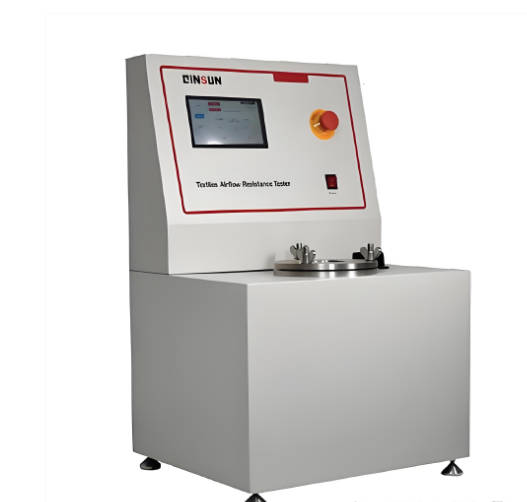
Materials and Products We Regularly Test
We accept a wide range of porous materials, layered structures, and complete assemblies that are used to control or facilitate the flow of air. Our test fixtures accommodate specimens of various sizes, thicknesses, and compressibility, ensuring accurate measurement across different media. Common samples include:
- Air filters and filter media – pleated panel filters, pocket filters, HEPA/ULPA media, automotive cabin filters, and engine intake filters.
- Textiles and nonwovens – woven, knitted, and nonwoven fabrics for apparel, technical textiles, and industrial applications.
- Open‑cell foams and sponges – polyurethane, polyester, melamine, and rubber foams for filtration, acoustic, and cushioning applications.
- Paper and paperboard – filter paper, tea bag paper, and packaging paper with porous structures.
- Membranes and microporous films – PTFE, polycarbonate, and cellulose membranes for medical and laboratory applications.
- Insulation materials – mineral wool, glass fibre, and foam insulation for buildings and HVAC systems.
- Dust collection and industrial fabrics – baghouse filter bags, cartridge filter media, and conveyor belts with air‑permeable layers.
- Respirators and personal protective equipment – face mask materials, N95/FFP2 filter layers, and breathing circuit components.
Core Airflow Resistance Test Methods – Pressure Drop and Air Permeability
Our airflow resistance testing service follows the most recognised international and European standards, adapted for the specific material type and test objectives. We measure the differential pressure across the specimen as a function of the air velocity or volume flow, and we derive the airflow resistance or permeability:
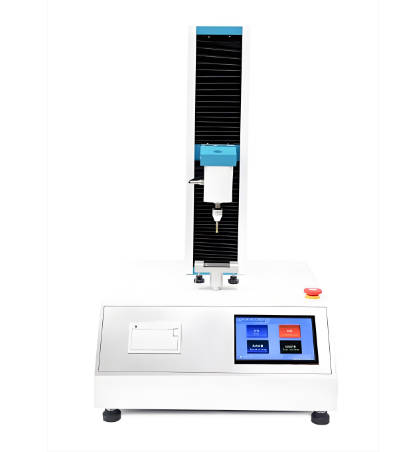
- Air permeability test – according to ISO 9237 (textiles), ASTM D737 (textile fabrics), EN 9237, and NBN EN 9237 – We clamp the specimen in a circular test head and apply a constant pressure differential (typically 100 Pa or 200 Pa) across the specimen. The airflow rate (in L/min or m³/min) through the test area is measured, and the air permeability is calculated in mm/s or m³/m²·s. This method is widely used for textiles, nonwovens, and paper materials.
- Pressure drop vs. flow curve – for filter media and porous materials – according to ISO 9053‑1 (acoustics – airflow resistance), EN 13053 (ventilation – filter testing), and ASTM D6539 (permeability of rocks) – We install the specimen in a test duct and measure the pressure drop (ΔP) at multiple flow rates (or face velocities) to construct a complete ΔP‑vs‑flow curve. The test can be performed with a constant flow rate (and measuring the resulting pressure drop) or with a constant pressure difference (and measuring the flow rate). The airflow resistance (R = ΔP / Q, in Pa·s/m³) and the specific airflow resistance (Rs = R · A, in Pa·s/m) are calculated.
- Permeability measurement according to ASTM D6539 (for geotextiles and construction materials) and EN ISO 11058 (geotextiles – water permeability, adapted for air) – For geotextiles and other construction fabrics, we measure the airflow permeability at a defined pressure (e.g., 200 Pa) and express the result as the coefficient of permeability (in m/s).
- Flow resistance of acoustical materials – according to ISO 9053‑1 and ASTM C522 – for acoustic foams, panels, and silencers – We measure the static airflow resistance of the material in order to calculate the specific airflow resistance, which is a key parameter for the acoustic performance (sound absorption and transmission loss). The test is performed with a steady, low‑velocity airflow, and the pressure drop per unit thickness is reported.
- Pressure drop of filter elements – according to EN 779 (general ventilation filters), ISO 16890 (air filters for general ventilation), and EN 1822 (HEPA/ULPA filters) – For complete filter assemblies, we measure the pressure drop at the rated airflow (or at multiple flow rates) to verify that the filter meets the specified pressure drop limit and to establish the pressure drop characteristic for system design.
Advanced and Specialised Test Protocols – Multi‑Layer, Compressible, and High‑Flow Materials
Depending on the material and the application, we offer specialised test setups that address specific challenges such as compressibility, multi‑layer structures, and high flow rates:
- Compressible media (foams, nonwovens) – with a controlled compression fixture to simulate the actual installation compression – We use a compression ring that allows testing the material at a defined compression ratio (e.g., 0%, 20%, 50%) to measure the pressure drop under real‑world installed conditions.
- Multi‑layer composites – we measure the pressure drop of the individual layers and the combined assembly to identify the dominant resistance layer and to optimise the layer design – We also test the assembly as a whole and compare the sum of the individual pressure drops with the measured value to detect any synergy or interference effects.
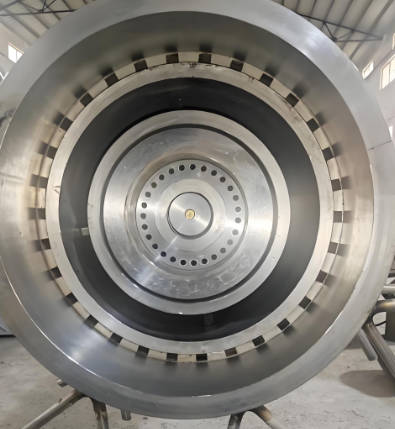
- High‑flow and high‑velocity testing – for automotive filters and industrial dust collectors where the face velocity can exceed 2 m/s – We use a higher‑capacity blower system and a large‑area test head to achieve flow rates up to 10,000 m³/h, maintaining a stable flow and accurate pressure measurement.
- Low‑flow and low‑pressure testing – for sensitive materials such as medical fabrics, battery separators, and fine membranes – We use a precision mass flow controller and a very sensitive differential pressure transducer (range 0‑50 Pa) to measure the airflow resistance at very low flow rates, ensuring that the material is not damaged by the test.
- Directional and anisotropic airflow resistance – for materials with a preferred orientation (e.g., woven textiles, pleated media) – We test the specimen in different orientations (machine direction, cross‑direction, and through‑thickness) to characterise the directional dependency of the flow resistance.
Environmental Conditioning and Aging – Simulating Service Conditions
The airflow resistance of a material can change significantly with temperature, humidity, and dust loading. We offer conditioning and testing under controlled environmental conditions to reflect the actual service environment:
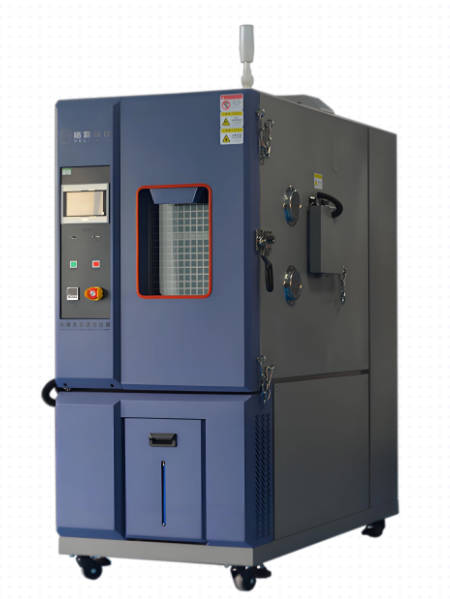
- Temperature conditioning – at elevated (up to 150°C) or low (down to -30°C) temperatures – in an environmental chamber – We perform the airflow resistance test with the specimen conditioned at the target temperature, to evaluate the effect of temperature on the flow resistance (e.g., softening of polymers, contraction of fibres).
- Humidity conditioning – according to ISO 139, ASTM D618, and NBN EN ISO 139 – at 20°C, 65% RH (standard) and at 30°C, 90% RH (for tropical conditions) – We condition the specimen to a specified moisture content and then measure the airflow resistance, because many materials (especially cellulose‑based and hygroscopic polymers) show a significant change in permeability with moisture uptake.
- Dust loading and clogging test – for filters and dust collection media – according to EN 779, ISO 16890, and ASTM D6830 – We load the filter with a defined synthetic dust (e.g., ISO 12103‑1 A2 fine test dust) at a constant rate while continuously measuring the pressure drop and the airflow. The test continues until the pressure drop reaches a pre‑defined terminal value. We report the dust holding capacity (in g) and the pressure drop evolution, which is essential for filter sizing and maintenance planning.
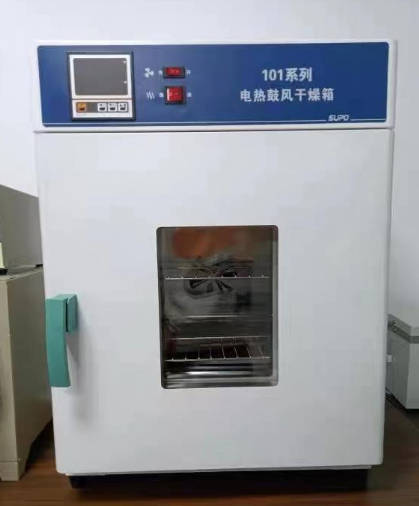
- Thermal aging and UV exposure – according to ISO 4892, ASTM G154, and EN 13381‑4 – We pre‑age specimens in a weatherometer (UV plus humidity) or in a hot air oven, then measure the residual airflow resistance to assess the degradation of the flow characteristics over time.
- Chemical exposure – we immerse specimens in acids, bases, oils, or cleaning agents (ASTM D543, ISO 2812) and then test the airflow resistance to evaluate the chemical resistance and the potential for swelling or pore blockage – This is particularly relevant for industrial filter media and protective textiles.
Post‑Test Evaluation and Interpretation – Data for Design and Certification
Beyond the raw pressure drop or air permeability values, we provide a detailed interpretation of the results and recommendations for design or process optimisation:
- Calculation of the pressure drop per unit velocity – to express the material's resistance as a drag coefficient or a specific resistance coefficient (in Pa·s/m or kg/m³) – This parameter is independent of the test area and can be used in computational fluid dynamics (CFD) models.
- Determination of the filter class and the energy efficiency – based on the pressure drop and the dust loading behaviour (for filters) – We compare the measured pressure drop with the limits of the applicable standard (EN 779, ISO 16890, EN 1822) and determine the energy classification (A+ to G).
- Identification of the most resistive layer in a multi‑layer composite – by measuring the individual layers and comparing the sum with the total – This helps you identify which layer is causing the bottleneck and how to reduce the overall flow resistance.
- Advice for material selection or design improvement – e.g., changing the fibre diameter, the pore size, the fabric structure, or the compression ratio – Based on the test results, we provide specific recommendations to increase or decrease the airflow resistance according to your performance target.
- Comparison with reference materials – we test your material together with a known reference (e.g., a market benchmark) under identical conditions to provide a relative performance rating – This is particularly useful for R&D and for competitive positioning.
Calibration, Accuracy, and Quality Assurance
All airflow resistance tests are performed under our ISO/IEC 17025:2017 accredited quality system, with full traceability of flow, pressure, temperature, and humidity measurements:
- Calibration of the flow meters – according to ISO 5167 and ISO 17025 – using a certified reference flow meter or a volumetric calibration system (bubble flow meter or bell prover) – We calibrate the flow meters annually, achieving a measurement uncertainty < 1% of the reading.
- Calibration of differential pressure transducers – using a certified reference manometer (ASTM E74, ISO 7500‑1) – with an uncertainty < 0.25% of full scale – The transducers are calibrated at multiple points across the range (0‑10 Pa, 0‑100 Pa, 0‑1,000 Pa, 0‑10 kPa) to ensure accuracy across different measurement ranges.
- Calibration of the temperature and humidity sensors – according to ASTM E220, ISO 17025 – with certified reference thermometers and hygrometers – All environmental sensors are calibrated annually, with an uncertainty of ±0.2°C and ±1% RH.
- Verification with reference specimens – we test a set of reference materials (e.g., a standard filter paper, a nonwoven fabric) at regular intervals to confirm the stability of the test system – The results are tracked on control charts, and any drift is investigated and corrected.
- Interlaboratory comparison (ILC) – we participate in proficiency testing schemes for air permeability and pressure drop measurements – Our results are consistently validated against other accredited laboratories worldwide.
Compliance with Belgian and European Regulations
Our airflow resistance testing services support your conformity assessment under the relevant European directives and Belgian regulations for machinery, energy efficiency, and product safety:
- Energy‑related Products Directive (ErP, 2009/125/EC) – for ventilation systems, air filters, and HVAC components – The pressure drop of filters and ducts directly influences the energy consumption of fans; our tests provide the data required for the energy efficiency classification (e.g., the energy efficiency class of filters according to EN 779 and EU 1253/2014).
- Machinery Directive (2006/42/EC) – for dust collectors, ventilation systems, and filtration equipment – The airflow resistance is a critical safety parameter (e.g., to prevent excessive pressure build‑up, to ensure proper air circulation); our test data supports the risk assessment.
- Construction Products Regulation (CPR, EU 305/2011) – for building ventilation filters, acoustic insulation, and air‑permeable insulation materials – The air permeability and pressure drop are required for the Declaration of Performance (DoP) of these products.
- Personal Protective Equipment (PPE) Regulation (EU 2016/425) – for respiratory protective devices (e.g., face masks, filters) – The breathing resistance (inhalation and exhalation resistance) of the filter and the facepiece is a key performance parameter; our tests are performed according to EN 149, EN 143, and EN 13274‑3.
- Belgian national regulations – including the ARAB (General Regulation on Occupational Safety) for workplace ventilation, and the EPB (Energy Performance of Buildings) regulations for building ventilation systems – Our reports are accepted by the Belgian authorities for verifying compliance with workplace safety and energy performance requirements.
Reporting and Accreditation
All airflow resistance tests are performed under our ISO/IEC 17025:2017 accredited quality system, with full traceability of all measurement parameters. Our BELAC‑accredited reports are recognised by the FOD Economie, Belgian notified bodies, and European authorities. Each report includes:
- A complete description of the test specimen (material type, thickness, area, compression ratio, conditioning).
- The test method and standard used, with all relevant parameters (test area, pressure differential, flow range, temperature, humidity).
- The measured air permeability (in mm/s or m³/m²·s) and/or the pressure drop (in Pa) at one or more flow rates.
- A pressure‑drop‑versus‑flow curve (graphical and tabulated data).
- The calculated airflow resistance (R) and specific airflow resistance (Rs), where applicable.
- For filters, the dust holding capacity and the pressure drop evolution during dust loading.
- Calibration certificates and measurement uncertainty statements.
- A professional conclusion on the airflow resistance characteristics of the material and its suitability for the intended application, with recommendations for optimisation if necessary.
Our reports provide the confidence you need to certify your products, approve deliveries, and ensure the efficient and safe operation of your air‑handling systems.
Why Choose Our Airflow Resistance Testing Service?
We understand that airflow resistance is a key factor in system design, energy consumption, and product performance. Our team offers rapid scheduling, flexible test programmes (from simple air permeability screening to complex pressure‑drop‑versus‑flow curves and dust loading studies), and clear, practical interpretation of results – we do not just deliver numbers; we explain the implications for your design, the efficiency of your system, and the compliance with energy regulations. We work closely with your product developers, process engineers, and quality managers to select the most appropriate test conditions, the relevant standards, and the acceptance criteria for your specific material and application. With versatile test rigs, precise instrumentation, environmental chambers, and a highly experienced team, our airflow resistance testing service delivers the accuracy, reliability, and regulatory acceptance you need to ensure that your materials and products meet the high standards of the Belgian and European market. Contact us to discuss your materials, your flow requirements, and your performance targets – we will design a tailored test programme that provides the definitive assessment of your product's airflow resistance.