Chemical Activity Substance Testing Service – Accredited Evaluation of Material Stability and Compatibility with Reactive Chemical Agents
For Belgian manufacturers, chemical engineers, and quality managers in the pharmaceutical, agrochemical, fine chemical, semiconductor, and specialty materials industries, the interaction between a material and a chemically active substance – whether a reactive intermediate, a catalyst, an oxidising agent, a reducing agent, or a biologically active compound – is a critical factor that determines product stability, packaging integrity, process safety, and regulatory compliance. Chemical activity encompasses not only corrosion and degradation but also catalytic effects, polymerisation initiation, crosslinking, and the formation of degradation products that can alter the properties of both the material and the active substance. Our ISO/IEC 17025 accredited laboratory offers a specialised chemical activity substance testing service that quantifies the stability, compatibility, and interaction between active chemical agents and materials of construction – including metals, polymers, elastomers, coatings, and packaging systems. Using a combination of thermal analysis, spectroscopic identification, chromatographic quantification, and mechanical property evaluation, we provide a comprehensive assessment of how reactive substances affect material integrity and how materials, in turn, may influence the activity or purity of the chemical agent. With our BELAC accreditation, our test reports are recognised by the Belgian Federal Public Service (FOD Economie), notified bodies, and authorities under the REACH Regulation (EC 1907/2006), the Biocidal Products Regulation (EU 528/2012), the Pharmaceutical Legislation (Directive 2001/83/EC), and the relevant harmonised standards (ASTM D543, ISO 2812, ISO 10993, OECD guidelines, etc.).
Materials, Products, and Active Substances We Regularly Test
We accept a wide range of material samples (coupons, components, packaging, and finished products) and active chemical substances (liquid, solid, gaseous, or in formulated products) for compatibility and stability testing. Our test setups are adaptable to various exposure conditions, including immersion, vapour contact, and simulated process environments. Common samples include:
- Active pharmaceutical ingredients (APIs) and excipients – for drug‑device combinations, primary packaging, and process equipment.
- Agrochemical active substances – herbicides, fungicides, insecticides, and plant growth regulators.
- Oxidising and reducing agents – peroxides, ozone, chlorine dioxide, hydrogen peroxide, sodium hypochlorite, and sodium dithionite.
- Acids, bases, and hydrolytically active compounds – concentrated and dilute acids, caustic alkalis, and esters.
- Catalysts and initiators – transition metal compounds, organometallics, and free‑radical initiators.
- Monomers and reactive diluents – acrylates, epoxides, isocyanates, and silanes.
- Biocides and preservatives – for in‑can preservation, material protection, and disinfection.
- Packaging and container materials – glass, plastics, elastomeric closures, and laminated films for pharmaceutical and chemical packaging.
- Process equipment materials – stainless steels, nickel alloys, fluoropolymers, and ceramic linings.
Core Test Methods – Compatibility and Stability Assessment
Our chemical activity substance testing service employs a suite of standardised and customised test methods to assess the interaction between active substances and materials under controlled conditions. The selection of methods depends on the nature of the active substance, the material, and the intended application:
- Immersion and exposure testing – according to ASTM D543 (chemical resistance), ISO 2812 (liquid resistance), and OECD 404 (skin corrosion, for active substances) – We expose material specimens to the active substance (or a representative formulation) under defined conditions: temperature (ambient to 150°C), pressure (atmospheric or elevated), and duration (24 hours to 6 months). After exposure, we evaluate changes in mass, dimensions, appearance (discolouration, blistering, cracking), and mechanical properties (tensile, hardness, flexural). For active substances, we also analyse the exposed liquid for any degradation products or leached components.
- Extraction and leachables testing – according to ISO 10993‑12 (medical device leachables), USP <661> (plastic packaging), and Ph. Eur. 3.1 (glass) – For pharmaceutical and medical applications, we extract the material with the active substance (or a simulant) and analyse the extract for organic leachables (using GC‑MS, LC‑MS) and inorganic elements (using ICP‑MS). We assess whether the leached species could compromise the active substance's activity or safety.
- Thermal stability and reaction calorimetry – according to ASTM E537 (thermal stability), ISO 11357 (DSC), and ASTM E1981 (accelerated rate calorimetry) – For reactive substances that may decompose or polymerise on contact with materials, we measure the onset temperature of exothermic reactions using differential scanning calorimetry (DSC) or accelerate rate calorimetry (ARC). We also assess the compatibility of the active substance with the material by comparing the thermal profile of the pure substance with that of a mixture with the material (or its extract).
- Activity retention and potency testing – for pharmaceutical and agrochemical active substances – We measure the concentration of the active substance before and after exposure to the material using validated analytical methods (HPLC, GC, UV‑Vis). We also check for the formation of degradation products (using LC‑MS or GC‑MS) and assess the impact on the substance's efficacy (using bioassays or enzyme assays where applicable).
- Catalytic activity and inhibition testing – for active substances that are affected by metal ions or surface properties – We measure the reaction rate of a model reaction (e.g., oxidation, polymerisation, or hydrolysis) in the presence of the material (or its leachables) and compare it with a control (without the material). We report the degree of acceleration or inhibition of the activity.
Specific Test Protocols for Different Material Types
We apply tailored protocols for specific material classes, taking into account their unique degradation mechanisms and the nature of the active substance:
- Metals and alloys – we test for general corrosion, pitting, crevice corrosion, intergranular attack, and stress‑corrosion cracking in the presence of the active substance. We also measure the release of metal ions (ICP‑MS) and assess the impact on the activity of the substance (e.g., catalytic poisoning).
- Polymers and plastics – we evaluate swelling, softening, hardening, cracking, colour change, and loss of mechanical properties. We also analyse the polymer surface for chemical changes (FTIR, XPS) and check for migration of additives or monomers into the active substance.
- Elastomers and seals – we measure the change in compression set, hardness, volume swell, and tensile properties. We also check for blistering, adhesion loss, and any signs of chemical attack.
- Protective coatings and linings – we assess the adhesion (pull‑off or cross‑cut) after exposure, the blistering, the degree of under‑film corrosion, and any chemical degradation of the coating (FTIR).
- Glass and ceramics – we test for chemical attack (surface etching, pitting, weight loss) and analyse the leachate for elements (e.g., Si, Na, Ca, B) to assess the durability of the glass or ceramic surface.
Analytical Methods – Identifying Degradation Products and Leachables
A key component of our service is the identification and quantification of any degradation products or leachables that may affect the active substance's purity, stability, or activity. We use a range of instrumental analytical techniques:
- Chromatography – HPLC‑UV, HPLC‑MS/MS, GC‑FID, and GC‑MS – for the quantitative determination of the active substance concentration and the identification of organic degradation products and leachables.
- Spectroscopy – UV‑Vis, FTIR, Raman, and NMR – for the structural characterisation of the active substance and any changes that occur due to interaction with the material.
- Elemental analysis – ICP‑OES and ICP‑MS – for the quantification of metal ions and other inorganic leachables (e.g., from metal alloys, glass, or ceramic coatings).
- Thermal analysis – DSC, TGA, and DMA – to detect changes in the thermal stability, glass transition temperature, and modulus of the material after exposure.
- Surface analysis – SEM/EDS, XPS, and contact angle measurement – to examine the surface morphology, composition, and wettability of the material after exposure to the active substance.
Environmental and Accelerated Conditioning – Simulating Service Life
To evaluate the long‑term stability of the material‑active substance system, we offer accelerated conditioning protocols that combine elevated temperature, humidity, and cyclic exposure:
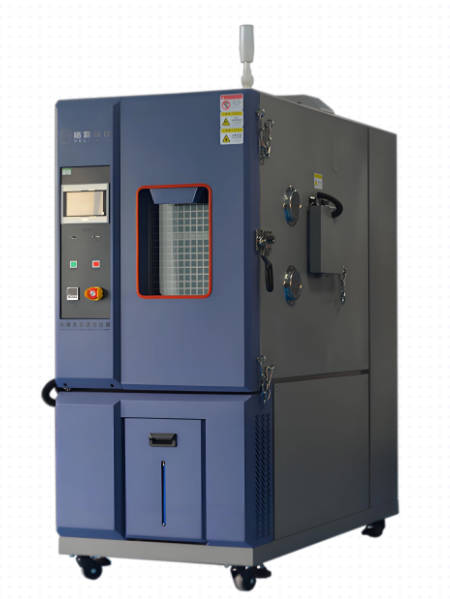
- Elevated temperature storage – we store the material in contact with the active substance at a temperature higher than the service temperature (e.g., 40°C, 60°C, or 80°C) for a defined period, following the Arrhenius model, to accelerate any degradation process – We sample at regular intervals and analyse the active substance concentration and the material properties.
- Humidity and hydrolytic stability – we expose the material‑active substance system to a high‑humidity environment (e.g., 75% RH, 90% RH) at a controlled temperature to assess the effect of moisture on the interaction – This is particularly important for moisture‑sensitive active substances.
- Cyclic exposure (temperature and chemical) – we alternate between contact with the active substance and exposure to a rinsing solution (or a cleaning agent) to simulate the cleaning‑in‑place (CIP) or change‑over processes in manufacturing equipment – We evaluate the cumulative effect of repeated exposure cycles.
- Light and UV exposure – for active substances that are sensitive to light (e.g., photolabile drugs or agrochemicals), we combine chemical contact with controlled light exposure (ISO 4892) to assess the combined effect of photodegradation and material interaction – We measure the active substance degradation and the material discolouration.
Calibration, Accuracy, and Quality Assurance
All chemical activity substance tests are performed under our ISO/IEC 17025:2017 accredited quality system, with full traceability of temperature, time, mass, and analytical measurements:
- Calibration of analytical instruments – HPLC, GC, ICP‑MS, UV‑Vis, FTIR – using certified reference standards and certified reference materials, with uncertainty < 2% for quantitative analysis – We calibrate instruments at the start of each test series and verify the calibration daily with a quality control sample.
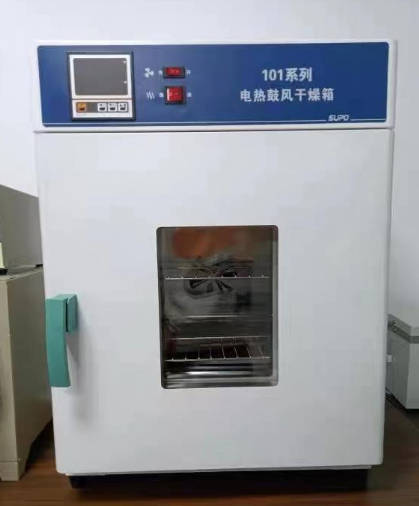
- Calibration of temperature sensors and ovens – according to ASTM E220, ISO 17025 – We calibrate thermocouples and oven controllers against a certified reference thermometer, with an uncertainty < 0.2°C.
- Calibration of balances – using certified reference weights (class E1), with an uncertainty < 0.01 mg – We verify the balance before each weighing session.
- Verification with reference materials – we test reference materials (e.g., a standard stainless steel or a standard polymer) with a known response to the active substance, at regular intervals, to confirm the stability and reproducibility of the test system – The results are tracked on control charts.
- Interlaboratory comparison (ILC) – we participate in proficiency testing schemes for chemical compatibility and leachables testing – Our results are regularly compared with those of other accredited laboratories.
Compliance with Belgian and European Regulations
Our chemical activity substance testing services support your conformity assessment under the relevant European directives and Belgian regulations for pharmaceuticals, chemicals, biocides, and materials in contact with active substances:
- REACH Regulation (EC 1907/2006) – for substances that may be released from materials during contact with active chemicals – Our leachables and extractables data are used for the substance evaluation and the environmental risk assessment.
- Biocidal Products Regulation (EU 528/2012) – for active substances used in biocidal formulations – The compatibility of the active substance with packaging materials and application equipment is essential for the product approval.
- Pharmaceutical Legislation (Directive 2001/83/EC) – for the packaging and processing of active pharmaceutical ingredients – Our compatibility data are required for the marketing authorisation (MA) and the regulatory submission.
- Food Contact Materials (Regulation (EC) 1935/2004) – for materials that contact active substances in food processing – We test for the migration of active substances into the material and for the leaching of material components into the active substance.
- Belgian national regulations – including the ARAB (General Regulation on Occupational Safety) for handling active substances in workplaces – Our reports support the assessment of the chemical safety and the compatibility of equipment with reactive chemicals.
Reporting and Accreditation
All chemical activity substance tests are performed under our ISO/IEC 17025:2017 accredited quality system, with full traceability of all measurement parameters. Our BELAC‑accredited reports are recognised by the FOD Economie, Belgian notified bodies, and European authorities. Each report includes:
- A complete description of the material and the active substance (including concentration, formulation, and source).
- The test conditions – exposure method, temperature, duration, and any pre‑conditioning.
- The measured changes in the material (mass, dimensions, mechanical properties, surface condition).
- The measured changes in the active substance (concentration, purity, degradation products, and activity).
- Leachables and extractables data (identified compounds and their concentrations).
- Analytical chromatograms, spectra, and thermal curves.
- Calibration certificates and measurement uncertainty statements.
- A professional conclusion on the compatibility and stability of the material‑active substance system, with recommendations for material selection, storage conditions, or process optimisation if necessary.
Our reports provide the confidence you need to certify your packaging, validate your processing equipment, and ensure the integrity and efficacy of your chemically active products.
Why Choose Our Chemical Activity Substance Testing Service?
We understand that the interaction between an active substance and a material is often a critical factor that determines product quality, safety, and regulatory acceptance. Our testing service provides the comprehensive, scientifically rigorous data you need to select the right materials, to optimise your storage and processing conditions, and to demonstrate compliance with European regulations. We offer rapid scheduling, flexible test programmes (from simple compatibility screening to comprehensive stability and leachables studies), and clear, practical interpretation of results – we do not just give you a pass/fail; we explain the chemical mechanisms behind the interaction, the implications for your product's activity and shelf life, and the practical actions you can take to mitigate any risks. We work closely with your formulation chemists, process engineers, and regulatory affairs teams to design a test programme that matches your specific active substance, your material system, and your compliance requirements. With state‑of‑the‑art analytical instruments, dedicated chemical compatibility test rigs, and a highly experienced team, our chemical activity substance testing service delivers the accuracy, reliability, and regulatory acceptance you need to ensure the safety, efficacy, and stability of your chemically active products. Contact us to discuss your active substance, your material, and your testing objectives – we will develop a tailored test programme that provides the definitive assessment of your chemical activity compatibility.