Chemical Resistance Testing Service for Threaded Sealant – Accredited Evaluation of Sealant Integrity Against Process Fluids, Solvents, and Cleaning Agents
For Belgian manufacturers, maintenance engineers, and quality managers in the petrochemical, hydraulic, pneumatic, automotive, and pharmaceutical sectors, the chemical resistance of threaded sealants is a critical safety and reliability parameter. Threaded connections sealed with anaerobic, PTFE, or acrylic‑based sealants are frequently exposed to aggressive media – fuels, oils, hydraulic fluids, acids, alkalis, solvents, and cleaning agents – which can degrade the sealant, cause leakage, and lead to system failure, safety hazards, and costly downtime. Our ISO/IEC 17025 accredited laboratory offers a specialised chemical resistance testing service for threaded sealant that quantifies the resistance of cured sealant materials to a wide range of industrial fluids under controlled temperature, pressure, and immersion conditions. Using standardised immersion, exposure, and accelerated ageing protocols, we measure changes in mass, dimensions, hardness, adhesion, and sealing performance. With our BELAC accreditation, our test reports are recognised by the Belgian Federal Public Service (FOD Economie), notified bodies, and authorities under the Pressure Equipment Directive (2014/68/EU), the ATEX Directive (2014/34/EU), and the relevant harmonised standards (ISO 10964, ASTM D5363, DIN 267‑28, etc.).
Sealant Types and Test Specimens We Regularly Test
We accept a wide variety of threaded sealant products, both as cured films and as applied connections on standardised threaded test specimens. Our test rigs accommodate sealants in their final cured state, and we can also test complete threaded assemblies (bolted joints, pipe fittings, etc.). Common samples include:
- Anaerobic sealants – methacrylate‑based threadlockers and pipe sealants (e.g., types conforming to ISO 10964 or ASTM D5363).
- PTFE tape and PTFE‑containing pastes – for pneumatic and hydraulic applications.
- Acrylic and epoxy sealants – for high‑strength and high‑temperature applications.
- Hydraulic sealants and pipe joint compounds – designed for oil, water, and gas services.
- Silicone and rubber‑based sealants – for flexible connections and low‑pressure applications.
- UV‑curable thread sealants – for fast assembly and electronics.
- Cured films on standard substrates – typically cured on degreased steel, brass, or stainless steel plates for material characterisation.
- Complete threaded assemblies – bolts, nuts, and fittings with sealant applied and cured, for functional sealing performance testing after chemical exposure.
Chemical Resistance Test Methods – Immersion, Wipe, and Pressurised Exposure
Our chemical resistance testing service for threaded sealant uses a combination of standardised methods to assess the resistance of the sealant to the specific chemicals it will encounter in service. The tests are performed on cured sealant films or on assembled threaded joints, depending on the intended application and the required performance criteria:
- Full immersion test – according to ASTM D5363 (anaerobic sealants), ISO 10964 (threadlockers), and DIN 267‑28 (sealants for threaded connections) – We immerse cured sealant specimens (or assembled joints) in a selected test fluid at a controlled temperature (typically ambient, 40°C, 70°C, or 100°C) for a specified duration (7, 14, 28, or 56 days). After exposure, we evaluate changes in mass (%), dimensions, Shore hardness (for elastomeric sealants), and, for assembled joints, the breakaway torque or sealing pressure. The test fluid is chosen from a standard list (e.g., mineral oil, hydraulic oil, unleaded fuel, brake fluid, engine coolant, water/glycol, methanol, isopropanol, acetic acid, sodium hydroxide solution, or any customer‑specified fluid).
- Spot and contact test – for sealants that are exposed to occasional splashes or spills – according to ASTM D1308, EN 12720 (for surface coatings, adapted for sealants) – We place a drop of the test liquid on the cured sealant surface and cover it with a watch glass to prevent evaporation. After a defined exposure time (e.g., 1, 4, 24 hours), we remove the liquid and assess the sealant for softening, swelling, discolouration, or loss of adhesion.
- Pressurised chemical exposure – for sealants used in high‑pressure fluid systems (e.g., hydraulic, gas) – according to ISO 19892 (for pipe sealants) and EN 15969 (pressurised gas sealing) – We apply a defined internal pressure (up to 200 bar) with the test fluid and expose the sealed joint to a specified temperature for a fixed duration. We continuously monitor the pressure drop and any external leakage; after the test, we disassemble the joint and inspect the sealant for degradation, cracking, or loss of sealing ability.
- Alternate immersion and drying – to simulate cyclic contact with chemicals and subsequent drying (e.g., when the system is operated intermittently) – We perform multiple cycles (e.g., 10, 20, or 50 cycles) of immersion in the test fluid followed by air drying at ambient or elevated temperature. After each cycle, we measure the mass and inspect the sealant for cracking or blistering.
- Mixed fluid exposure – for sealants that may encounter multiple fluids (e.g., fuel + water, oil + solvent) – we prepare custom blends or use a sequential exposure protocol – We first immerse in one fluid, then transfer to a second fluid without drying between steps, to simulate the real‑world contamination scenario.
Test Chemicals and Media – Standard and Custom Solutions
We maintain a comprehensive inventory of standard test fluids covering the most common industrial chemicals, and we can also source or blend custom fluids on request. The selection of test fluids is based on your application and any applicable standards:
- Mineral oils and hydraulic fluids – ISO VG 32, 46, 68; water‑glycol mixtures; phosphate esters; biodegradable hydraulic fluids.
- Fuels and lubricants – gasoline (unleaded, premium), diesel, biodiesel, kerosene, aviation fuel (Jet‑A1, AVGAS), motor oil (SAE grades), gear oil.
- Brake fluids – DOT 3, DOT 4, DOT 5, and DOT 5.1 (silicone‑based and glycol‑based).
- Engine coolants and antifreeze – ethylene glycol, propylene glycol, and water mixtures at various concentrations.
- Solvents and cleaning agents – isopropanol, acetone, methanol, ethanol, toluene, xylene, methyl ethyl ketone (MEK), trichloroethylene, and common industrial degreasers.
- Acids and alkalis – hydrochloric acid (HCl), sulphuric acid (H₂SO₄), nitric acid (HNO₃), acetic acid, sodium hydroxide (NaOH), ammonium hydroxide – at various concentrations (e.g., 5%, 10%, 20%).
- Process fluids for specific industries – synthetic e‑fluids (for electric vehicles), hydrogen peroxide (for medical/sterilisation), and refrigerants (R‑134a, R‑1234yf).
Assessment Criteria – Evaluating Deterioration and Sealing Performance
After chemical exposure, we perform a comprehensive assessment to quantify the degree of degradation and to determine whether the sealant remains fit for service:
- Mass change and swelling – we weigh the specimen before and after exposure (after careful drying) and calculate the mass change (in %). For elastomeric sealants, swelling is a key indicator; excessive swelling (> 15‑20%) often leads to loss of sealing pressure and increased friction.
- Hardness change (for elastomeric and rubber‑based sealants) – we measure Shore A or Shore D hardness before and after exposure and report the change in hardness (points or percentage) – A significant drop in hardness indicates softening; a significant increase indicates hardening and potential loss of flexibility.
- Dimensional change – we measure the thickness and diameter of the sealant film (or the threaded assembly dimensions) and report any permanent deformation – Shrinkage or swelling can compromise the sealing contact.
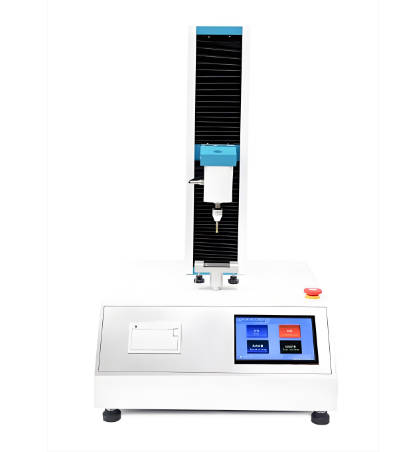
- Adhesion and cohesion – we perform a pull‑off test or cross‑cut test (for cured films) on the exposed sealant to assess whether it has lost adhesion to the substrate or has suffered internal cohesive failure – Adhesion loss often leads to leakage paths.
- Sealing performance after exposure – for assembled threaded joints, we measure the breakaway torque, the pressure retention capacity, or the leak rate (using helium or air) and compare with the baseline values from unexposed joints – A significant reduction in sealing performance indicates that the sealant is not suitable for the service fluid.
- Visual inspection and microscopy – we examine the sealant film for discolouration, blistering, cracking, crazing, or softening, and we document the condition with high‑resolution images – Surface defects often precede bulk failure.
Environmental and Accelerated Conditioning – Simulating Service Life
Chemical resistance is often tested at elevated temperatures to accelerate the degradation process. We offer a range of conditioning options to predict the long‑term performance:
- Elevated temperature immersion – we test at 70°C, 100°C, or 125°C (depending on the sealant and fluid) to accelerate the chemical attack and provide a conservative estimate of service life – The Arrhenius model can be applied to extrapolate to lower service temperatures.
- Cyclic temperature and pressure – we combine chemical exposure with temperature cycling (e.g., -40°C to +120°C) and pressure cycling to simulate the real‑world stresses in a fluid system – This is particularly relevant for sealants in automotive and hydraulic systems.
- Thermal ageing prior to chemical exposure – we pre‑age specimens in hot air to simulate the effect of service temperature on the sealant before it is exposed to chemicals – This is important for sealants that are exposed to both heat and chemical attack.
- Combined UV and chemical exposure – for sealants used in outdoor or highly illuminated areas (e.g., solar thermal systems), we pre‑expose the sealant to UV (ISO 4892) and then perform the chemical resistance test – This assesses the synergistic effect of photo‑degradation and chemical attack.
Calibration, Accuracy, and Quality Assurance
All chemical resistance tests are performed under our ISO/IEC 17025:2017 accredited quality system, with full traceability of temperature, pressure, mass, and hardness measurements:
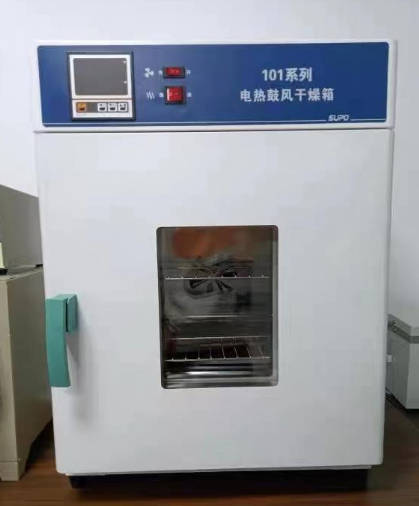
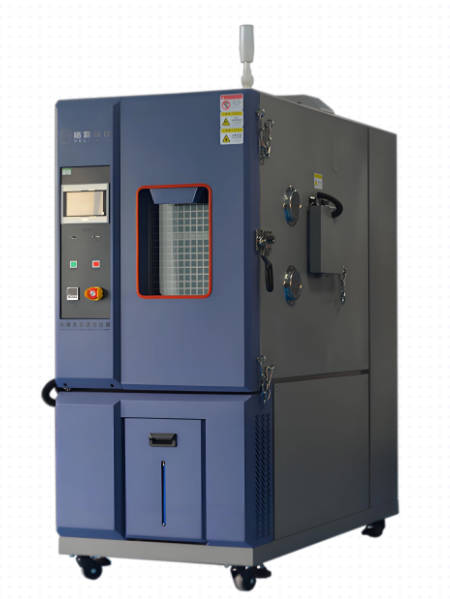
- Calibration of ovens and temperature chambers – according to ASTM E220, ISO 17025, and EN 60068‑3‑5 – We perform regular temperature mapping and calibration, with uncertainty < ±0.5°C.
- Calibration of analytical balances – using certified reference weights (accuracy 0.01 mg) – All mass measurements are traceable to national standards.
- Calibration of hardness testers – according to ASTM D2240, ISO 7619, and EN ISO 7619 – We calibrate durometers with certified reference rubber blocks.
- Verification with reference sealants – we test standardised reference sealants (e.g., a known anaerobic sealant with documented chemical resistance) at the start of each test series to confirm the stability of the test system – The results are tracked on control charts.
- Interlaboratory comparison (ILC) – we participate in proficiency testing schemes for chemical resistance and sealant testing – Our results are regularly compared with those of other accredited laboratories.
Compliance with Belgian and European Regulations
Our chemical resistance testing services support your conformity assessment under the relevant European directives and Belgian regulations for pressure equipment, machinery, and environmental safety:
- Pressure Equipment Directive (PED 2014/68/EU) – for sealing components in pressure systems – The chemical resistance of the sealant is part of the design qualification; our test data demonstrates that the sealant can withstand the service fluid without degradation that could lead to leakage.
- ATEX Directive (2014/34/EU) – for equipment used in potentially explosive atmospheres – The sealant must resist the chemical attack from process fluids to prevent the formation of explosive mixtures; our tests validate the compatibility.
- REACH Regulation (EC 1907/2006) – for the substances used in sealants – The chemical resistance test provides data on the potential migration of substances from the sealant into the fluid, which is relevant for environmental and health risk assessments.
- Belgian workplace safety (ARAB) – for the safe operation of hydraulic, pneumatic, and piping systems – Our reports are used to verify that the selected sealant is compatible with the fluids used on site.
Reporting and Accreditation
All tests are performed under our ISO/IEC 17025:2017 accredited quality system, with full traceability of all measurement parameters. Our BELAC‑accredited reports are recognised by the FOD Economie, Belgian notified bodies, and European authorities. Each report includes:
- A complete description of the sealant type, curing conditions, and substrate material.
- The test fluid(s), temperature, immersion duration, and any pre‑conditioning steps.
- Measured parameters – mass change, hardness change, dimensional change, adhesion and sealing performance (breakaway torque, pressure retention, or leak rate).
- Visual inspection and photographic documentation.
- Comparison with the acceptance criteria (if provided) and a clear pass/fail conclusion.
- Calibration certificates and measurement uncertainty statements.
- A professional interpretation of the results, including an assessment of the sealant's suitability for the intended service fluid and recommendations for alternative materials if necessary.
Our reports provide the confidence you need to certify your sealant‑based connections, approve deliveries, and maintain the integrity of your fluid systems.
Why Choose Our Chemical Resistance Testing Service for Threaded Sealant?
We understand that a sealant that works perfectly in air may fail catastrophically when exposed to a hot hydraulic fluid or an aggressive solvent. Our chemical resistance testing service gives you the evidence you need to select the right sealant for your specific application, to optimise your maintenance schedule, and to ensure the safety and reliability of your threaded connections. We offer rapid scheduling, flexible test programmes (from single‑fluid immersion to multi‑fluid sequential exposure with pressure and temperature cycling), and clear, practical interpretation – we do not just give you a list of numbers; we explain the degradation mechanisms, the implications for sealing performance, and the practical actions you can take. We work closely with your design, procurement, and maintenance teams to design a test plan that matches the actual service conditions of your installation. With comprehensive chemical inventory, precise temperature and pressure control, and a highly experienced team, our chemical resistance testing service for threaded sealant delivers the accuracy, repeatability, and regulatory acceptance you need to ensure that your sealant‑based connections are truly fit for purpose in the demanding Belgian and European industrial environment. Contact us to discuss your sealant product, the process fluids it will encounter, and your performance targets – we will design a tailored test programme that provides the definitive evidence of your sealant's chemical resistance.