Environmental Stability Testing Service – Accredited Assessment of Material Durability Under Temperature, Humidity, UV, Salt Spray, and Chemical Exposure
For Belgian manufacturers, engineers, and quality managers in the automotive, aerospace, construction, packaging, and electronics sectors, the ability of materials and products to maintain their performance and appearance over time under real‑world environmental conditions is a critical factor for product reliability, warranty, and customer satisfaction. Our ISO/IEC 17025 accredited laboratory offers a comprehensive environmental stability testing service that simulates the long‑term effects of temperature, humidity, ultraviolet (UV) radiation, salt spray, corrosive gases, and chemical agents on plastics, metals, coatings, composites, and complete assemblies. With a wide range of environmental chambers, weatherometers, corrosion testers, and analytical instruments, we provide data that supports material selection, product development, quality control, and regulatory compliance. Our BELAC‑accredited reports are recognised by the Belgian Federal Public Service (FOD Economie), notified bodies, and authorities under the Construction Products Regulation (EU 305/2011), the REACH Regulation (EC 1907/2006), the Low Voltage Directive (2014/35/EU), and the relevant harmonised standards (EN ISO 4892, EN 60068, ASTM G154, etc.).
Materials and Products We Regularly Test
We accept a wide range of materials, components, and finished products that are exposed to environmental stress during storage, transport, or service. Our chambers accommodate specimens of various sizes, from small coupons to complete assemblies. Common samples include:
- Polymers and plastics – thermoplastics, thermosets, elastomers, films, and moulded parts.
- Coatings and paints – automotive, industrial, marine, and architectural coatings.
- Metals and alloys – carbon steel, stainless steel, aluminium, copper, zinc, and coated steels.
- Composites and laminates – glass‑fibre and carbon‑fibre composites.
- Seals, gaskets, and adhesives – for automotive, construction, and industrial applications.
- Electronic assemblies – PCBs, enclosures, connectors, and cable harnesses.
- Textiles and nonwovens – for automotive interiors, outdoor apparel, and technical applications.
- Packaging materials – films, laminates, and rigid packaging.
- Solar panels and glazing – for outdoor exposure.
Thermal and Humidity Ageing – Simulating Long‑Term Climatic Exposure
Our environmental stability testing service includes a full suite of temperature and humidity ageing tests, which are the foundation of durability assessment for most materials:
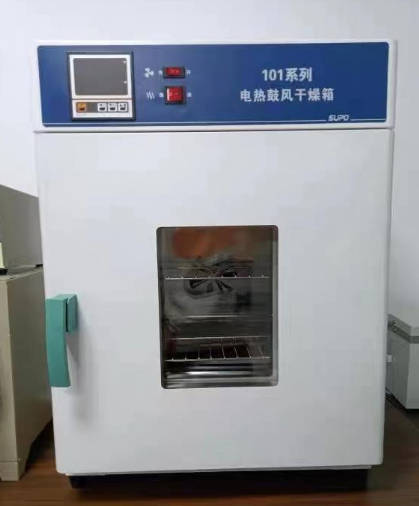
- Thermal ageing – according to ISO 188, ASTM D3045 (elastomers), IEC 60216 (electrical insulation), and NBN EN ISO 188 – We place specimens in forced‑air ovens at a selected temperature (e.g., 70°C, 100°C, 125°C) for up to 1,000 hours or more. After exposure, we evaluate changes in mechanical, electrical, and aesthetic properties. The thermal endurance index (TEI) and relative thermal index (RTI) are determined using the Arrhenius method.
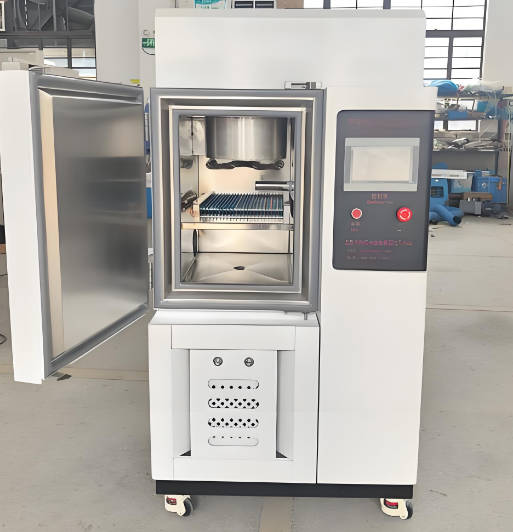
- Humidity ageing – according to ASTM D2247, ISO 6270‑2, and IEC 60068‑2‑67 – We expose specimens to constant humidity (e.g., 95% RH at 40°C) or to cyclic humidity (alternating high humidity and drying phases). The test duration ranges from 24 hours to several weeks, and we monitor for discolouration, blistering, corrosion, or loss of adhesion.
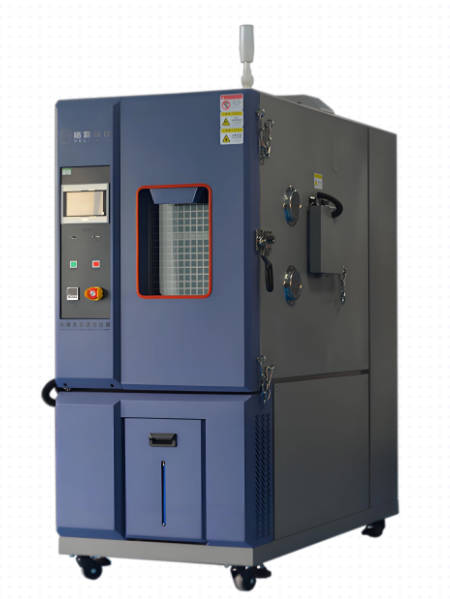
- Temperature cycling and thermal shock – according to IEC 60068‑2‑14, ASTM E1235, and JESD22‑A104 – We cycle specimens between low (e.g., -40°C) and high (e.g., +85°C or +120°C) temperatures with controlled transition rates (from 5°C/min to 30°C/min). The tests are used to detect thermal fatigue, cracking, and delamination.
- Damp heat test – according to IEC 60068‑2‑78, EN 60068‑2‑78, and NBN EN 60068‑2‑78 – We expose specimens to a constant high‑temperature and high‑humidity environment (e.g., 40°C, 93% RH or 85°C, 85% RH) for up to 1,000 hours. This is the standard test for evaluating the moisture resistance of electronic and electrical components.
- Condensation test – according to ISO 6270‑1, DIN 50017, and EN ISO 6270‑1 – We simulate the formation of condensation on the specimen surface by alternating between humid and ambient conditions. This test is particularly relevant for coatings and painted surfaces.
UV and Weathering Resistance – Simulating Solar Radiation and Outdoor Exposure
For outdoor products, UV radiation is one of the most damaging environmental factors. Our advanced weathering equipment simulates the full spectrum of sunlight, combined with rain, humidity, and temperature cycles:
- Xenon‑arc weathering – according to ISO 4892‑2, ASTM G155, and EN ISO 4892‑2 – We use xenon‑arc weatherometers that provide the closest simulation of natural sunlight, including UV, visible, and infrared radiation. We apply standard filters (daylight, window glass) and operate the chamber with specified water spray and dark cycles. We measure colour changes (ΔE*), gloss loss, chalking, cracking, and retention of mechanical properties.
- Fluorescent UV weathering – according to ASTM G154, ISO 4892‑3, and EN ISO 4892‑3 – We use UV fluorescent lamps (UVA‑340 or UVB‑313) to provide accelerated UV radiation at a high intensity. The test is often combined with condensation or water spray cycles. This method is commonly used for plastics, coatings, and textiles.
- Outdoor and natural weathering – according to ISO 877, ASTM G7, and EN ISO 877 – For a more realistic assessment, we offer natural exposure testing at certified outdoor weathering sites (or we can direct you to partner sites). We measure the degradation at intervals and compare with lab accelerated results.
- Colour and gloss measurement – we evaluate the optical changes after UV exposure using a spectrophotometer (L*a*b* system) and a gloss meter, and we report ΔE* and gloss retention – This is critical for automotive and architectural coatings where colour stability is a key requirement.
- Mechanical property retention – we perform tensile, flexural, or impact tests on the weathered specimens and compare the results with unexposed controls – The retention percentage is a direct measure of the material's durability.
Corrosion Testing – Salt Spray, Cyclic Corrosion, and Gas Exposure
For components used in coastal, industrial, or humid environments, corrosion resistance is a primary concern. Our corrosion test suite covers the most commonly required methods:
- Neutral salt spray (NSS) – according to ASTM B117, ISO 9227, and EN ISO 9227 – We expose specimens to a continuous fog of 5% NaCl solution at 35°C for durations ranging from 24 hours to 1,000 hours. We evaluate the corrosion products, blistering, rusting, and coating failure.
- Acetic acid salt spray (AASS) – according to ISO 9227, EN ISO 9227 – We add acetic acid to the salt solution to lower the pH, creating a more corrosive environment. This is used for testing decorative coatings and some metals.
- Copper‑accelerated acetic acid salt spray (CASS) – according to ISO 9227, EN ISO 9227 – We add copper chloride to the acetic acid salt solution, creating an even more aggressive test. This is commonly used for copper‑nickel‑chromium coatings.
- Cyclic corrosion test – according to ISO 11997‑1, ASTM G85 (Annex A5), and EN ISO 11997‑1 – We alternate between salt spray, high‑humidity, and drying phases to simulate the wet‑dry cycles experienced in the field. This test is more realistic than continuous salt spray and is required for automotive and marine coatings.
- Humidity‑freeze test – according to ASTM D2247 (humidity) combined with low‑temperature cycling – We cycle specimens between high humidity and freezing conditions (e.g., -40°C) to simulate freeze‑thaw damage in building materials and coatings.
- SO₂ and mixed gas corrosion – according to DIN 50018 (SO₂), ASTM G87 (SO₂), and ISO 3231 (SO₂) – For industrial atmospheres with high sulphur dioxide content, we expose specimens to a controlled SO₂ atmosphere with or without humidity. We also offer mixed gas corrosion testing for electronics (H₂S, NO₂, Cl₂, etc.).
Chemical Resistance – Immersion, Wipe, and Spot Testing
For materials that come into contact with cleaning agents, fuels, oils, acids, or other chemicals, chemical resistance is a key performance attribute. Our testing includes both immersion and contact methods:
- Immersion testing – according to ASTM D543, ISO 2812, and EN ISO 2812 – We immerse specimens in a test fluid (e.g., acid, base, oil, detergent, solvent) for a defined period (24 h, 72 h, 168 h, or longer) at ambient or elevated temperature. After immersion, we evaluate changes in mass, dimensions, appearance, hardness, and tensile properties.
- Spot and wipe testing – for coatings and painted surfaces – according to ASTM D1308, EN 12720, and NBN EN 12720 – We apply a drop of the test chemical on the surface and cover it to prevent evaporation. After a defined exposure time (e.g., 16 hours), we assess the staining, swelling, blistering, or colour change.
- Fuel and oil resistance – according to ASTM D471, ISO 1817, and EN ISO 1817 (for rubber and elastomers) – We immerse rubber and elastomeric specimens in test fluids (e.g., fuel C, IRM 901, oil) at elevated temperature and measure the volume swell, change in hardness, and tensile properties.
- Cleaning agent resistance – for coatings, plastics, and textiles – we use common household and industrial cleaning agents (bleach, detergents, disinfectants) – We test the resistance to surface damage, staining, and loss of mechanical properties after exposure.
- Post‑exposure mechanical testing – we perform tensile, hardness, and adhesion tests on chemically exposed specimens to quantify the degradation in engineering properties – This is essential for materials used in chemical plants, automotive under‑bonnet, and food processing equipment.
Combined and Sequential Environmental Exposure – Real‑World Simulation
In service, materials are often exposed to multiple environmental stressors simultaneously or in sequence. We offer combined test programmes that provide a more realistic assessment of durability:
- UV + salt spray + humidity – we expose specimens to UV weathering, then salt spray, and then humidity, repeated in cycles – This is common for automotive exterior parts and marine components.
- Thermal cycling + corrosion – we alternate between high temperature (e.g., 70°C) and low temperature (e.g., -20°C), with salt spray exposure in between – This simulates the harsh environment of coastal or de‑icing salt areas.
- Chemical + UV – we pre‑condition specimens with chemical immersion and then expose them to UV weathering – This simulates the combined effect of environmental degradation and chemical attack, relevant for plastic parts in outdoor use.
- Vibration + temperature + humidity – for automotive and aerospace components – We combine environmental conditioning with vibration or shock testing to evaluate the mechanical integrity of assemblies (IEC 60068‑2‑80).
- Accelerated service life testing – we design a custom sequence based on your expected service environment, including all relevant stressors, and run the test until a defined end‑of‑life criterion is reached – This provides a direct prediction of the field lifetime.
Post‑Test Evaluation and Interpretation
After environmental exposure, we conduct a thorough examination to quantify the degradation and provide actionable engineering recommendations:
- Visual and optical inspection – we use digital photography, microscopy, and colourimetry to document changes in appearance, colour, gloss, and surface condition – We classify the degree of cracking, blistering, chalking, or rusting according to standard rating scales (ISO 4628, ASTM D610, ASTM D714).
- Mechanical property re‑testing – we measure tensile, flexural, impact, and hardness properties on exposed specimens and compare with unexposed controls – We calculate the percentage retention of each property.
- Adhesion testing – after exposure, we perform cross‑cut, pull‑off, or peel tests on coatings to evaluate the loss of adhesion (ISO 2409, ASTM D4541) – A significant loss of adhesion indicates a failure of the coating‑substrate interface.
- FTIR and DSC analysis – we use Fourier‑transform infrared spectroscopy and differential scanning calorimetry to detect chemical changes, such as oxidation, chain scission, or crosslinking in polymers – This provides a molecular‑level explanation of the observed macroscopic changes.
- Statistical analysis – we provide the mean, standard deviation, and coefficient of variation for each measured property, and we use statistical process control (SPC) to monitor the consistency of the degradation across multiple specimens – This supports quality control and batch‑to‑batch comparison.
Calibration, Accuracy, and Quality Assurance
All environmental tests are performed under our ISO/IEC 17025:2017 accredited quality system, with full traceability of temperature, humidity, UV irradiance, and chemical concentration measurements:
- Calibration of environmental chambers – temperature, humidity, and UV sensors – according to ASTM E220, ISO 17025, and EN 60068‑3‑5 – We perform regular 3‑D temperature mapping and humidity verification, with uncertainties < 0.5°C and < 2% RH.
- Calibration of weatherometers – using a certified reference radiometer or a standardised UV sensor to verify the irradiance level – The irradiance is adjusted and verified according to ISO 4892 and ASTM G154.
- Calibration of salt spray and corrosion testers – we verify the salt concentration, pH, and temperature of the spray solution using certified reference instruments – The fog collection rate and the uniformity of the spray are also checked.
- Verification with reference materials – we test standard reference specimens (e.g., a UV‑stable polymer, a corrosion‑resistant steel) at regular intervals to confirm the stability of the test systems – The results are tracked on control charts.
- Interlaboratory comparison (ILC) – we participate in proficiency testing schemes for weathering, corrosion, and humidity testing – Our results are regularly compared with those of other accredited laboratories.
Compliance with Belgian and European Regulations
Our environmental stability testing services support your conformity assessment under the relevant European directives and Belgian regulations for construction products, electronics, automotive, and packaging:
- Construction Products Regulation (CPR, EU 305/2011) – for building materials, coatings, and membranes – The durability of properties (e.g., resistance to UV, moisture, freeze‑thaw) is a key requirement for the Declaration of Performance (DoP).
- REACH Regulation (EC 1907/2006) – for the evaluation of chemical substances – Environmental stability testing provides data on the degradation of materials and the potential release of substances.
- Low Voltage Directive (LVD 2014/35/EU) – for electrical and electronic equipment – Environmental tests verify that the equipment can operate safely under specified conditions (temperature, humidity, corrosion).
- Machinery Directive (2006/42/EC) – for components exposed to outdoor or harsh environments – The durability of materials and coatings is part of the risk assessment.
- Belgian national regulations – including the ARAB (General Regulation on Occupational Safety) for workplace equipment, and the EPB (Energy Performance of Buildings) regulations for building envelope components – Our reports are accepted by the Belgian authorities and notified bodies.
Reporting and Accreditation
All environmental stability tests are performed under our ISO/IEC 17025:2017 accredited quality system, with full traceability of all measurement parameters. Our BELAC‑accredited reports are recognised by the FOD Economie, Belgian notified bodies, and European authorities. Each report includes:
- A detailed description of the test specimen, the test conditions, and the duration of exposure.
- The measured properties before and after exposure, with percentage retention and statistical summary.
- For UV/weathering tests, the colour and gloss change (ΔE*, gloss retention).
- For corrosion tests, the evaluation of rusting, blistering, and coating failure according to standard rating scales.
- For chemical resistance tests, the change in mass, dimensions, and mechanical properties.
- Calibration certificates and measurement uncertainty statements.
- Photographic documentation of the specimens before and after exposure.
- A professional conclusion on the environmental stability of the material and its suitability for the intended application, with recommendations for improvement if necessary.
Our reports provide the confidence you need to certify your products, approve deliveries, and ensure that your materials can withstand the rigours of the Belgian and European environment.
Why Choose Our Environmental Stability Testing Service?
We understand that product failures caused by environmental degradation are often costly and reputation‑damaging. Our team offers rapid scheduling, flexible test programmes (from single‑factor screening to complex multi‑factor cyclic studies), and clear, practical interpretation of results – we do not just provide compliance data; we explain the degradation mechanisms, the expected service life, and the potential improvements in design or material selection. We work closely with your R&D, quality, and production teams to design a test programme that matches your specific service conditions, market requirements, and regulatory obligations. With a full range of environmental chambers, weatherometers, corrosion testers, and analytical instruments, and a team of experienced engineers, our environmental stability testing service delivers the accuracy, reliability, and regulatory acceptance you need to ensure that your products are built to last. Contact us to discuss your materials, your application, and your performance targets – we will develop a tailored test programme that provides the definitive evidence of your product's durability.