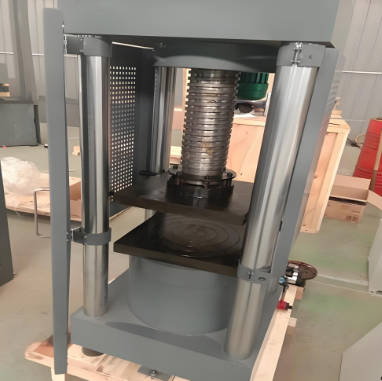
Pipeline Pressure Testing Service – Accredited Hydrostatic, Pneumatic, and Cyclic Pressure Integrity Assessment for Onshore and Offshore Piping Systems
For Belgian pipeline operators, engineering contractors, and asset owners in the oil & gas, chemical, water supply, and power generation sectors, the integrity of pressure pipelines is paramount for safety, environmental protection, and operational continuity. Pipelines are subjected to internal pressure, external loads, and environmental stresses, and verifying their ability to withstand these demands without leakage or rupture is a critical requirement for commissioning, requalification, and regulatory compliance. Our ISO/IEC 17025 accredited laboratory offers a specialised pipeline pressure testing service that provides comprehensive hydrostatic, pneumatic, and cyclic pressure testing for metallic, polymeric, and composite pipelines of all diameters and pressure ratings. Using high‑capacity pressure pumps, data acquisition systems, and leak detection instrumentation, we validate the strength, leak‑tightness, and fatigue resistance of your pipeline systems. With our BELAC accreditation, our test reports are recognised by the Belgian Federal Public Service (FOD Economie), notified bodies, and authorities under the Pressure Equipment Directive (PED 2014/68/EU), the Belgian Pipeline Regulations, and the relevant international standards (ISO 13623, API 1110, ASME B31.4, ASME B31.8, EN 13480, etc.).
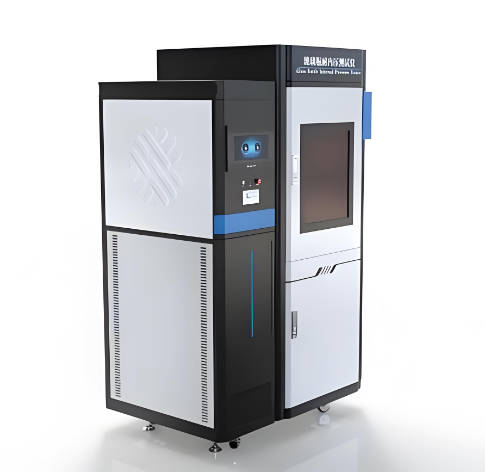
Pipeline Types and Components We Regularly Test
We accept a wide variety of pipelines, piping systems, and associated components, from small‑diameter instrument lines to large‑diameter transmission pipelines. Our test rigs and on‑site equipment are adaptable to different materials, connection types, and pressure classes. Common samples include:
- Steel pipelines – seamless and welded carbon steel, stainless steel, and alloy steel pipes for oil, gas, and water.
- Plastic pipelines – PE, PVC, PP, and composite pipes for water, gas, and chemical transfer.
- Pipe spools and fabricated assemblies – including bends, tees, reducers, and flanged connections.
- Valves, fittings, and flanges – as part of the pipeline system.
- Pipeline sections with welded joints – for evaluating the integrity of girth welds and field joints.
- Subsea and offshore pipeline components – for deep‑water and coastal applications.
- Complete pipeline segments – for pre‑commissioning and commissioning validation.
- Repaired and modified pipeline sections – to verify the quality of repair work.
Hydrostatic Pressure Testing – Strength and Leak‑Tightness
Hydrostatic pressure testing is the most widely used method for verifying the strength and leak‑tightness of pipelines. Our pipeline pressure testing service offers hydrostatic testing for both shop‑fabricated spools and field‑installed pipelines, following the most recognised international and European standards:
- Hydrostatic strength test – according to ISO 13623 (Petroleum and natural gas industries – Pipeline transportation systems), ASME B31.4 (Liquid pipelines), ASME B31.8 (Gas pipelines), and EN 13480 (Metallic industrial piping) – We fill the pipeline with water (or another suitable liquid) and pressurise it to a defined test pressure (typically 1.25 to 1.5 times the design pressure). The pressure is held for a specified duration (e.g., 4 to 24 hours) while we monitor the pressure, temperature, and any leakage. We use high‑accuracy pressure transducers and data loggers to record the pressure‑time history. The test is considered successful if the pressure does not drop below the specified minimum and there is no visible leakage. We also monitor the pipeline for any permanent deformation (e.g., bulging, yielding) by measuring the diameter at selected points before and after the test.
- Hydrostatic leak test – for pipelines where the primary concern is leak‑tightness – We pressurise the pipeline to a lower pressure (typically the maximum allowable operating pressure, MAOP) and hold it for a shorter period. We use sensitive leak detection methods (pressure decay, mass flow meters, or tracer gas) to detect even the smallest leakage. This test is often performed as part of the commissioning of new pipelines.
- Hydrostatic burst test – for pipe sections and fittings, to determine the ultimate burst pressure – We pressurise a pipe section until rupture occurs, and we measure the burst pressure and the location and mode of failure. This test is used for material qualification and for determining the safety margin of new designs.
- Hydrostatic test with intelligent pigging – we combine the pressure test with in‑line inspection (ILI) using a geometry or caliper pig to detect dents, ovality, or wall thickness variations during pressurisation – This provides a comprehensive assessment of the pipeline's condition during the strength test.
- Hydrostatic test with strain gauges – we install strain gauges at critical locations (e.g., at welds, supports, or bends) to measure the local strain during pressurisation – This allows us to verify that the strain does not exceed the allowable limits and to detect any localised yielding.
Pneumatic Pressure Testing – For Gas Pipelines and High‑Risk Applications
For gas pipelines or when hydrostatic testing is not feasible (e.g., for pipelines that cannot be filled with water), we perform pneumatic pressure testing. This test involves pressurising the pipeline with air or an inert gas (e.g., nitrogen) to a defined test pressure. Due to the higher stored energy, pneumatic testing requires special safety precautions and is typically performed at a lower test pressure (e.g., 1.1 times the MAOP) compared to hydrostatic testing:
- Pneumatic strength and leak test – according to ISO 13623, ASME B31.8, and EN 13480 – We pressurise the pipeline with nitrogen or compressed air in steps, holding each step to check for leaks. We use a pressure drop method, a mass flow meter, or an acoustic emission (AE) system to detect any leakage. The test pressure is typically 1.1 to 1.25 times the MAOP. We monitor the pipeline for any pressure drop over a defined period (typically 24 hours) and inspect all joints and fittings for leaks using a leak‑detection spray or an ultrasonic leak detector.
- Leak‑before‑burst test – for pipelines in which the failure mode is critical (e.g., high‑pressure gas transmission) – We pressurise the pipeline to a level that would cause a leak (if a defect exists) but not a catastrophic rupture. We use acoustic emission sensors to detect the onset of crack growth and to differentiate between leak and rupture.
- Gas pressure test with helium tracer – for pipelines where the leak‑tightness requirement is very stringent (e.g., for hydrogen or toxic gas transport) – We add a trace amount of helium to the pressurising gas and use a helium mass spectrometer to detect any leaks. This method provides very high sensitivity (down to 10⁻⁵ mbar·l/s).
- Pneumatic burst test – for pipe sections and fittings, to determine the burst pressure under gas loading – This test is similar to the hydrostatic burst test but uses gas as the pressurising medium. It is often performed for pipelines that will operate at high gas pressures.
- Safety measures – for pneumatic tests, we implement strict safety procedures, including a safety exclusion zone, a pressure relief system, and a remote monitoring system, to protect operators from the high stored energy of compressed gas – We use a layered approach to safety, with multiple barriers and pressure relief devices.
Cyclic Pressure and Fatigue Testing – For Pipelines Subject to Pressure Fluctuations
Many pipelines experience cyclic pressure variations due to operational start‑up and shut‑down, pump cycling, or thermal expansion. Our service includes cyclic pressure testing to assess the fatigue resistance of the pipeline and its components:
- Pressure cycle test – according to ISO 13623, API 1110, and EN 13480 – We apply a defined number of pressure cycles (e.g., 10⁵ to 10⁷) between a minimum and a maximum pressure at a controlled frequency. The test is performed on a pipe section or a complete pipeline system, and we monitor for any pressure loss, leakage, or deformation. The number of cycles to failure (if any) is recorded, and the fatigue life is determined.
- Surge test – we simulate the pressure surges that can occur during rapid valve closure or pump start‑up, using a fast‑acting valve or a pump bypass system – We measure the peak pressure and the number of surge cycles required to cause failure, which is essential for designing protection systems.
- Thermal‑pressure cycling – we combine pressure cycles with temperature cycles (e.g., alternating between hot and cold fluid) to simulate the combined effect of thermal and pressure loading – This is particularly relevant for heat exchanger piping and subsea flowlines.
- Fatigue testing of welds and HAZ – we test pipe sections with a girth weld to evaluate the fatigue resistance of the weld and the heat‑affected zone – The test is performed with the weld located in the area of maximum stress, and we determine the fatigue life of the weld under cyclic pressure.
On‑Site Pipeline Testing – Field Services for Installation and Maintenance
We offer comprehensive on‑site pipeline testing services, performed by our qualified technicians, for pipelines that cannot be transported to our laboratory:
- Hydrostatic test in the field – we bring our high‑pressure pumps, data acquisition systems, and leak detection equipment to your site and perform the hydrostatic test on the installed pipeline – We follow the same procedures and standards as for laboratory testing, but we adapt our equipment to the site conditions (e.g., using temporary hoses, valves, and pressure relief devices).
- Pneumatic test in the field – for gas pipelines and high‑risk applications, we perform pneumatic testing on‑site with the necessary safety measures – We use a nitrogen source (or compressed air) and a controlled pressure increase, monitoring the pipeline for any leaks or deformation.
- Pressure test of welded joints – we test individual girth welds using a portable pressure test fixture (a clamp‑on device) to verify the integrity of the weld without pressurising the entire pipeline – This is particularly useful for repair welds and tie‑ins.
- Leakage survey – we perform a leakage survey of the pipeline system using a combination of pressure decay, ultrasonic, and tracer gas methods – This is often required for older pipelines or for pipelines where the integrity is uncertain.
- Post‑repair pressure test – after a repair or modification, we re‑test the repaired section to confirm that the integrity has been restored – We test the repaired area to the same pressure as the original pipeline, and we verify that the repair has not introduced any new defects.
Test Documentation, Data Analysis, and Reporting
We provide comprehensive documentation and data analysis for each pipeline pressure test, supporting your regulatory compliance and quality assurance:
- Test procedure and calculation – we prepare a detailed test procedure, including the test pressure, the hold time, the acceptance criteria, and the safety measures – The procedure is based on the applicable standard and the specific characteristics of your pipeline.
- Pressure‑time history – we record the pressure and temperature throughout the test, and we provide a graphical plot of the pressure vs. time – This plot is essential for verifying that the pressure was maintained within the specified limits.
- Leakage detection records – we record the results of the leak detection methods (pressure drop, flow rate, or tracer gas concentration), and we identify any leaks that were detected – For leaks that are repaired, we record the repair details and the re‑test results.
- Verification of the test equipment – we provide calibration certificates for the pressure transducers, the data loggers, and the leak detection instruments – This demonstrates the traceability of the measurements.
- Comparison with the design pressure and the applicable standard – we compare the test results with the requirements of the applicable standard (e.g., ISO 13623, ASME B31.4) and provide a clear pass/fail conclusion – We also highlight any deviations and provide recommendations for corrective action.
Compliance with Belgian and European Regulations
Our pipeline pressure testing services support your conformity assessment under the key European directives and Belgian regulations for pressure equipment and pipeline systems:
Reporting and Accreditation
All pipeline pressure tests are performed under our ISO/IEC 17025:2017 accredited quality system, with full traceability of all measurement parameters. Our BELAC‑accredited reports are recognised by the FOD Economie, Belgian notified bodies, and European authorities. Each report includes:
Our reports provide the confidence you need to commission your pipelines, to obtain regulatory approvals, and to ensure the safe and reliable operation of your pipeline systems.
Why Choose Our Pipeline Pressure Testing Service?
We understand that the integrity of pipelines is critical for the safety of personnel, the protection of the environment, and the continuity of operations. Our testing service provides the accurate, reliable data you need to validate your pipeline systems, to meet the requirements of European and Belgian regulations, and to ensure the long‑term performance of your assets. We offer rapid scheduling, flexible test programmes (from small‑scale shop tests to large‑scale field tests), and clear, practical interpretation of results – we do not simply give you a pass/fail; we explain the significance of the pressure‑time history, the implications of any detected leakage, and the recommended corrective actions. We work closely with your project engineers, integrity managers, and regulatory teams to design a test programme that matches your specific pipeline type, service conditions, and approval requirements. With high‑capacity pressure pumps, precise data acquisition, and a highly experienced team, our pipeline pressure testing service delivers the accuracy, repeatability, and regulatory acceptance you need to ensure the integrity and safety of your pipeline infrastructure. Contact us to discuss your pipeline project, your pressure test requirements, and your certification goals – we will develop a tailored test programme that provides the definitive evidence of your pipeline's fitness for service.
-
- Pressure Equipment Directive (PED 2014/68/EU) – for pipelines that are classified as pressure equipment (e.g., with a diameter > 25 mm and a pressure > 0.5 bar) – The hydrostatic or pneumatic pressure test is a mandatory requirement for the verification of the strength and leak‑tightness of the pipeline, and our reports are accepted by the Belgian notified bodies.
- Belgian Pipeline Regulations – for the operation and maintenance of pipelines in Belgium (both on‑ and off‑shore) – Periodic pressure testing is often required for the recertification of existing pipelines, and our on‑site testing services support these requirements.
- Machinery Directive (2006/42/EC) – for piping systems that are part of machinery installations – The pressure test verifies the integrity of the piping, contributing to the overall safety of the machinery.
- Belgian environmental regulations – for pipelines that transport hazardous or flammable fluids – The pressure test demonstrates that the pipeline can contain the fluid without leakage, which is essential for environmental protection and safety.
- A detailed description of the pipeline (material, diameter, wall thickness, length, and any coatings).
- The test conditions – pressure, temperature, hold time, and test medium.
- The pressure‑time plot and the temperature‑time plot.
- The results of the leak detection (pressure decay, flow rate, or tracer gas measurements).
- A comparison with the acceptance criteria (e.g., no pressure drop, no visible leakage).
- Calibration certificates for all test equipment.
- A professional conclusion on the integrity of the pipeline and its suitability for the intended service.