Refrigeration Chamber Environment Test – Accredited Climatic Performance Assessment for Cold Storage, Refrigerated Transport, and Freezer‑Based Products
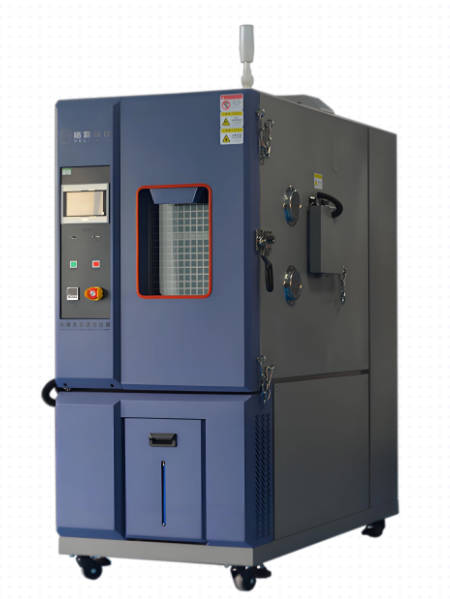
For Belgian manufacturers, logistics providers, and quality managers in the food, pharmaceutical, chemical, and cold‑chain industries, the ability of products, packaging, and equipment to withstand sustained low‑temperature and freeze‑thaw cycling is a critical factor for product integrity, shelf‑life, and regulatory compliance. Refrigeration chambers and cold‑storage environments subject materials to extreme thermal stress – from deep‑freeze conditions (down to -40°C) to repeated temperature fluctuations during defrost cycles or transport. Our ISO/IEC 17025 accredited laboratory offers a specialised refrigeration chamber environment test that simulates the full range of cold‑storage and transport conditions, including constant low‑temperature exposure, cyclic temperature changes, and combined temperature‑humidity profiles. Using programmable walk‑in and reach‑in refrigeration chambers with precise temperature and humidity control, we evaluate the resistance of plastics, elastomers, electronics, packaging, and complete products to cracking, embrittlement, deformation, and functional degradation. With our BELAC accreditation, our test reports are recognised by the Belgian Federal Public Service (FOD Economie), notified bodies, and authorities under the Machinery Directive (2006/42/EC), the Construction Products Regulation (EU 305/2011), the Food Contact Materials Regulation (EC 1935/2004), and the relevant harmonised standards (IEC 60068‑2‑1, EN 60068‑2‑1, ASTM D2137, ISO 11140‑1, etc.).
Products, Materials, and Components We Regularly Test
We accept a wide range of products, materials, and assemblies that are exposed to refrigeration or freezing environments during storage, transport, or end‑use. Our environmental chambers accommodate specimens of various sizes, from small coupons to entire product packages and palletised units. Common samples include:
- Plastic packaging materials – films, trays, bottles, closures, and multi‑layer laminates for frozen food and pharmaceutical products.
- Elastomers and sealing materials – gaskets, O‑rings, seals, and rubber profiles used in refrigeration equipment and cold‑storage doors.
- Electronic components and devices – sensors, controllers, circuit boards, and displays for cold‑chain monitoring, refrigerated displays, and vending machines.
- Medical and pharmaceutical products – vaccines, biologics, diagnostic kits, and their primary and secondary packaging.
- Food products and their packaging – frozen meals, ice cream, meat, fish, and bakery goods – to evaluate package integrity and product quality after freeze‑thaw cycles.
- Adhesives, tapes, and labels – for cold‑temperature application and long‑term adhesion in refrigerated environments.
- Transport and storage equipment – insulated boxes, pallets, thermal blankets, and refrigerated containers.
- Automotive and aerospace components – parts that may be exposed to low‑temperature storage or operation in cold climates.
Core Test Methods – Cold Exposure, Cyclic Freeze‑Thaw, and Combined Temperature‑Humidity Profiles
Our refrigeration chamber environment test offers a suite of standardised and customised test protocols that simulate the actual conditions of cold storage, refrigerated transport, and freeze‑thaw cycling. We select the appropriate method based on your product type, your expected service environment, and your applicable standards:
- Constant low‑temperature exposure – according to IEC 60068‑2‑1, EN 60068‑2‑1, and NBN EN 60068‑2‑1 (cold test) – We place specimens in a refrigeration chamber at a defined constant temperature (e.g., 4°C for chilled storage, -18°C for frozen food storage, -40°C for deep‑freeze or pharmaceutical cold chains) for a specified duration (24 hours to several months). After exposure, we inspect the specimens for physical damage (cracking, embrittlement, deformation, loss of adhesion) and, where applicable, perform functional tests (e.g., electrical continuity, seal integrity, opening torque).
- Cyclic freeze‑thaw test – based on IEC 60068‑2‑14, ASTM E1235, and customer‑specific protocols – We apply repeated cycles between a low temperature (e.g., -20°C) and a higher temperature (e.g., +20°C or +40°C) with controlled dwell times and ramp rates. The number of cycles (typically 10, 50, or 100) is selected to simulate the stress of repeated opening of cold‑storage doors, defrost cycles, or temperature variations during transport. We evaluate the cumulative effect of thermal expansion and contraction on seals, adhesives, and electronic components.
- Temperature cycling with humidity – for products that may be exposed to condensation (e.g., when moving from cold storage to a warm, humid environment) – We combine temperature cycling with controlled humidity (e.g., 95% RH) during the warm phase to simulate the condensation that can occur on refrigerated products. This test is particularly important for electronics, labels, and coated surfaces.
- Low‑temperature impact and flexibility – according to ASTM D2137 (rubber – brittleness point), ISO 812 (rubber – low‑temperature brittleness), and ASTM D746 (plastics – brittleness temperature) – We condition the specimens at a defined low temperature and then subject them to a mechanical impact (e.g., a falling weight) or a bending test to determine the brittleness temperature (the temperature at which 50% of the specimens fail). This is essential for materials used in cold‑storage seals, hoses, and conveyor belts.
- Thermal shock – from extremely cold to ambient or hot – to simulate rapid transitions, such as when a cold package is suddenly exposed to a warm environment – We use a dual‑chamber system (or a rapid‑transfer chamber) to move specimens between cold and hot zones, with transfer times typically less than 10 seconds. The number of shock cycles is defined by the standard or your test requirements.
- Accelerated aging at low temperature – we expose specimens to a constant low temperature for a prolonged period (e.g., 1,000 hours) to simulate several years of cold storage and to evaluate the long‑term degradation of materials (e.g., loss of flexibility, embrittlement, and colour change) – This is particularly relevant for packaging materials and polymers.
Post‑Exposure Evaluation – Assessing Damage and Functional Degradation
After the refrigeration chamber exposure, we perform a comprehensive evaluation to quantify the extent of degradation and to determine whether the product or material is fit for its intended purpose. The assessment is tailored to your specific product and the applicable standards:
- Visual inspection – we examine the specimens for cracking, crazing, blistering, discolouration, delamination, and any surface defects, using standard rating scales (ISO 4628, ASTM D714) and high‑resolution photography – This provides a qualitative overview of the material's response to the cold environment.
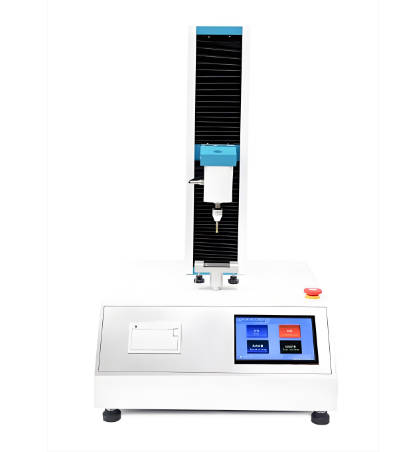
- Mechanical property testing – we measure the tensile strength, elongation, modulus, and hardness of exposed specimens (where applicable) and compare the results with unexposed controls – A significant reduction in tensile strength or elongation indicates embrittlement or degradation.
- Sealing and leak‑tightness – for sealed packages and containers, we perform a leak test (e.g., vacuum decay, pressure rise, or dye penetration) after the freeze‑thaw or cold‑exposure cycle to check for any loss of seal integrity – This is critical for food, pharmaceutical, and chemical packaging.
- Electrical and functional testing – for electronic components and devices, we perform a functional test (e.g., power‑on, communication, or signal integrity) after the test cycle, and we measure any changes in electrical parameters (e.g., resistance, capacitance, or insulation resistance) – A failure in functional testing indicates that the component is not suitable for cold‑storage environments.
- Adhesion testing – for labels, tapes, and coatings, we perform a peel test (ASTM D903) or a cross‑cut test (ISO 2409) to evaluate the retention of adhesion after cold exposure – Loss of adhesion can lead to label detachment and product identification issues.
- Shrinkage and dimensional change – we measure the length, width, and thickness of the specimens before and after the test to detect any permanent deformation or shrinkage – This is particularly relevant for plastic packaging materials and components.
Environmental and Operational Conditioning – Realistic Simulation of Cold‑Chain Logistics
We offer customised test profiles that replicate the actual conditions of your cold‑chain logistics, storage, and transport:
- Simulated transport conditions – we combine low‑temperature exposure with vibration (sinusoidal or random) to simulate the mechanical stress during refrigerated transport – We place the specimen on a vibration table inside the refrigeration chamber and run the test for a defined duration (e.g., 4 hours) at a defined temperature profile.
- Pallet‑level exposure – we test complete pallet loads with wrapped products in a walk‑in refrigeration chamber to evaluate the temperature distribution within the pallet and to verify that all products achieve the required temperature within the specified time – This is essential for validating cold‑chain compliance and for ensuring that the core of the pallet reaches the target temperature.
- Door‑opening simulation – we program temperature cycles that include brief periods of higher temperature (e.g., during door opening) to simulate the effect of frequent access to a refrigerated storage area – This is important for retail display cabinets and cold‑storage warehouse doors.
- Defrost cycle simulation – we incorporate periodic temperature increases (to simulate the defrost cycle of a refrigeration unit) and monitor the effect of temperature fluctuations on the product and packaging – This is particularly relevant for frozen food products and for cooling equipment.
- Combined pressure and temperature – for sealed containers and packaging, we combine cold exposure with an internal pressure (or external pressure) to simulate the effect of altitude changes (e.g., during air transport) or external pressure variations during handling – We measure the deformation and any leakage.
Calibration, Accuracy, and Quality Assurance
All refrigeration chamber tests are performed under our ISO/IEC 17025:2017 accredited quality system, with full traceability of temperature, humidity, time, and force measurements:
- Calibration of refrigeration chambers – temperature, humidity, and uniformity – according to ASTM E220, ISO 17025, and EN 60068‑3‑5 – We perform regular 3‑D temperature mapping and calibrate the sensors annually against certified reference instruments, achieving an uncertainty of ±0.5°C for temperature and ±2% RH for humidity.
- Calibration of temperature sensors and data loggers – using a certified reference thermometer with an uncertainty of ±0.1°C – We check the sensors before each test series.
- Calibration of mechanical test equipment (tensile, flexural, impact) – according to ISO 7500‑1, ASTM E74, and EN ISO 7500‑1 – We calibrate the load cells annually with certified reference weights.
- Verification with reference materials – we test reference materials (e.g., a standard polymer with known low‑temperature behaviour) at regular intervals to confirm the stability and reproducibility of the test system – The results are tracked on control charts.
- Interlaboratory comparison (ILC) – we participate in proficiency testing schemes for climatic testing, including low‑temperature and temperature‑cycling studies – Our results are regularly compared with those of other accredited laboratories.
Compliance with Belgian and European Regulations
Our refrigeration chamber environment tests support your conformity assessment under the relevant European directives and Belgian regulations for food safety, medical devices, and product quality:
- Food Contact Materials Regulation (EC 1935/2004) – for packaging and materials that come into contact with food during cold storage – The mechanical integrity of packaging under cold conditions is essential for ensuring that the packaging does not fail and contaminate the food product.
- Medical Devices Regulation (EU 2017/745) – for cold‑stored pharmaceuticals, vaccines, and diagnostic kits – The stability of the packaging and the product under refrigeration is a critical requirement for the CE marking of medical devices.
- Machinery Directive (2006/42/EC) – for refrigeration equipment, display cabinets, and cold‑storage doors – The resistance of seals, gaskets, and plastic components to low temperatures is part of the safety assessment of the machinery.
- Belgian national regulations – including the ARAB (General Regulation on Occupational Safety) for cold‑storage workplaces and the quality regulations for food and pharmaceutical storage – Our reports are accepted by the Belgian authorities for verifying compliance with storage and transport requirements.
Reporting and Accreditation
All refrigeration chamber environment tests are performed under our ISO/IEC 17025:2017 accredited quality system, with full traceability of all measurement parameters. Our BELAC‑accredited reports are recognised by the FOD Economie, Belgian notified bodies, and European authorities. Each report includes:
- A complete description of the test specimen (material, dimensions, preparation, and conditioning).
- The test profile – temperature(s), humidity (if applied), cycle type, duration, and ramp rates.
- The results of the visual inspection, mechanical testing, electrical testing, and any other evaluations.
- A comparison with the applicable standard requirements and a clear pass/fail conclusion.
- Calibration certificates and measurement uncertainty statements.
- A professional conclusion on the resistance of the product or material to refrigeration environments and its suitability for cold‑chain applications, with recommendations for design or material improvement if necessary.
Our reports provide the confidence you need to qualify your products for cold‑chain storage, to approve deliveries, and to meet the stringent requirements of the Belgian and European market.
Why Choose Our Refrigeration Chamber Environment Test?
We understand that cold‑chain integrity is essential for product safety, quality, and regulatory compliance. Our testing service provides the reliable data you need to ensure that your materials, packaging, and equipment can withstand the rigours of refrigeration and freeze‑thaw cycling. We offer rapid scheduling, flexible test programmes (from simple cold‑soak to complex cycle and combined‑stress studies), and clear, practical interpretation of results – we do not just give you a pass/fail; we explain the degradation mechanisms, the implications for your supply chain, and the actions you can take to improve product performance. We work closely with your packaging engineers, quality managers, and logistics teams to design a test plan that matches your specific cold‑chain conditions and regulatory requirements. With state‑of‑the‑art refrigeration chambers, comprehensive post‑test analysis, and a highly experienced team, our refrigeration chamber environment test delivers the accuracy, repeatability, and regulatory acceptance you need to ensure the reliability of your products in cold‑storage environments. Contact us to discuss your cold‑chain challenges, your test objectives, and your performance targets – we will develop a tailored test programme that provides the definitive assessment of your product's cold‑weather resilience.