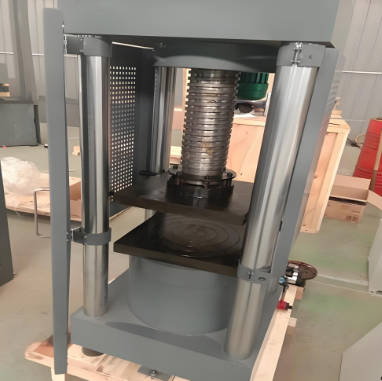
Axial Compressive Strength Testing Service for Empty Bottles – Accredited Evaluation of Top‑Load Resistance for PET, Glass, and Plastic Containers
For Belgian manufacturers, bottlers, and quality managers in the beverage, food, pharmaceutical, and cosmetic industries, the axial compressive strength of an empty bottle – its ability to withstand vertical loads without deformation or collapse – is a critical parameter for efficient palletising, warehousing, and transport. Empty bottles are subjected to significant top‑load stresses during stacking, shrink‑wrapping, and automated handling, and a bottle that fails under these loads can cause line stoppages, product damage, and costly waste. Our ISO/IEC 17025 accredited laboratory offers a specialised testing service for axial compressive strength of empty bottles that precisely quantifies the resistance of PET, glass, HDPE, and other plastic containers to top‑load forces under controlled conditions. Using precision compression test frames, displacement transducers, and environmental conditioning, we measure the maximum load at failure, the deformation characteristics, and the effect of temperature, humidity, and aging on the bottle's performance. Our BELAC‑accredited reports are recognised by the Belgian Federal Public Service (FOD Economie), notified bodies, and authorities under the Packaging and Packaging Waste Directive (94/62/EC), the Food Contact Materials Regulation (EC 1935/2004), and the relevant harmonised standards (ASTM D2659, ISO 8113, DIN 55511, etc.).
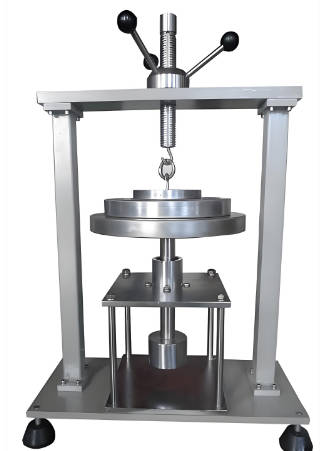
Bottle Types and Products We Regularly Test
We accept a wide range of empty bottle configurations, from small vials to large demijohns, in various materials and manufacturing processes (injection‑blow moulded, stretch‑blow moulded, extrusion‑blow moulded, and glass‑blown). Our test fixtures accommodate different neck finishes, base shapes, and body profiles. Common samples include:
- PET bottles – for carbonated soft drinks, still water, juices, and edible oils.
- HDPE and PP bottles – for milk, detergents, shampoos, and industrial chemicals.
- Glass bottles – for beer, wine, spirits, and pharmaceutical products.
- Small‑volume bottles and vials – for cosmetics, essential oils, and laboratory reagents.
- Wide‑mouth jars and containers – for food products, paints, and adhesives.
- Preforms and test specimens from bottles – for material characterisation and quality control.
- Bottles with different closure systems – to evaluate the effect of the closure on the top‑load strength.
- Bottles after environmental conditioning (temperature, humidity, or UV exposure) – for stability and shelf‑life studies.
Core Test Methods – Determination of Axial Compressive Strength
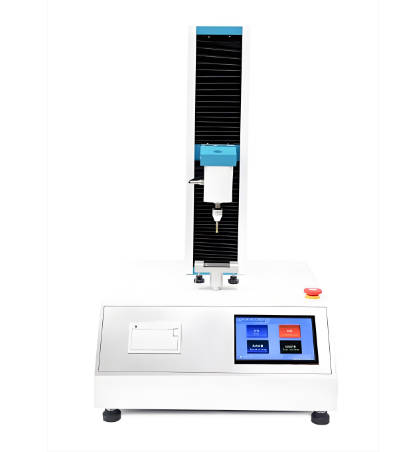
Our testing service for axial compressive strength of empty bottles follows internationally recognised standards to ensure accurate, repeatable, and comparable results. We use a constant‑rate‑of‑extension (CRE) compression testing machine equipped with a calibrated load cell and a displacement transducer. The test involves placing the empty bottle between two parallel platens and applying a compressive force at a controlled speed until the bottle deforms or collapses:
- Axial compression test – according to ASTM D2659 (standard test method for column crush strength of empty plastic containers), ISO 8113 (glass bottles – resistance to vertical load), and DIN 55511 (determination of the compression strength of plastic containers) – We place the bottle upright between the upper and lower compression platens. The upper platen is brought into contact with the bottle finish (or closure, if present) and the lower platen contacts the base. We apply a compressive load at a constant speed (typically 12.5 mm/min for plastics, 2 mm/min for glass) until a defined drop in load (e.g., 10% of the maximum load) is observed or until the bottle fails. We record the maximum load (F_max) and the deformation at maximum load. The test is performed on a minimum of five specimens per sample to obtain a statistically valid average.
- Determination of the deformation‑to‑failure – we measure the bottle height before and during the test, and we record the displacement at which the bottle yields or collapses – The deformation behaviour (elastic, plastic, or brittle) provides insight into the bottle's design and material properties.
- Load‑deflection curve – we generate a complete load‑deflection curve for each test, showing the initial elastic region, the yield point, and the post‑yield behaviour (softening or hardening) – This curve is used to identify the bottle's stiffness, yield strength, and ultimate compressive strength.
- Failure mode classification – we visually inspect the bottle after the test and classify the failure mode as buckling, sidewall collapse, base deformation, or a combination of these – The failure mode is often as informative as the maximum load for diagnosing design issues.
- Closure effect – we perform the test with and without the closure (cap or cork) to evaluate the influence of the closure on the top‑load strength, as some closures can significantly increase the load‑bearing capacity – This is particularly relevant for carbonated beverage bottles.
- Conditioning and pre‑treatment – we condition the bottles at a specified temperature and humidity (e.g., 23°C, 50% RH) for a defined period (typically 24 hours) before testing, in accordance with the relevant standard – For hygroscopic materials (e.g., PET, HDPE), the moisture content can affect the compressive strength, so conditioning is essential for reproducible results.
Influence of Temperature, Humidity, and Aging on Axial Compressive Strength
The axial compressive strength of bottles, especially plastic bottles, is significantly affected by environmental conditions and age. We offer testing under controlled environmental conditions to assess the bottle's performance in realistic service scenarios:
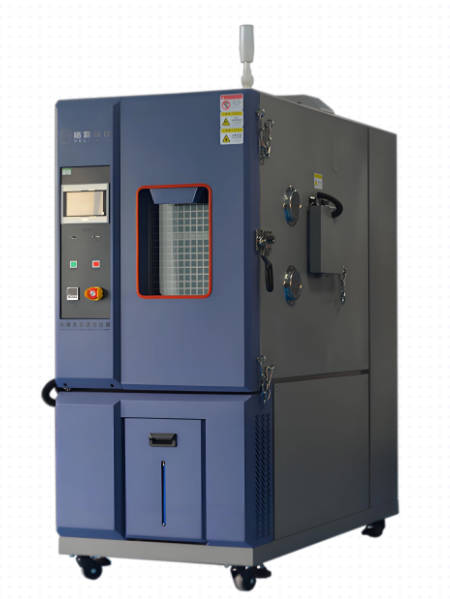
- Temperature‑controlled compression test – we perform the test at elevated (e.g., 40°C, 50°C) or low (e.g., 5°C, 10°C) temperatures, using an environmental chamber or a heated/cooled platen system – This simulates the conditions that bottles may encounter during storage in non‑air‑conditioned warehouses or during transport in hot or cold climates.
- Humidity‑conditioned compression test – we condition the bottles at high humidity (e.g., 90% RH) and then perform the compression test to assess the effect of moisture on the strength of the bottle material – For PET bottles, moisture can hydrolyse the polymer, reducing its strength over time.
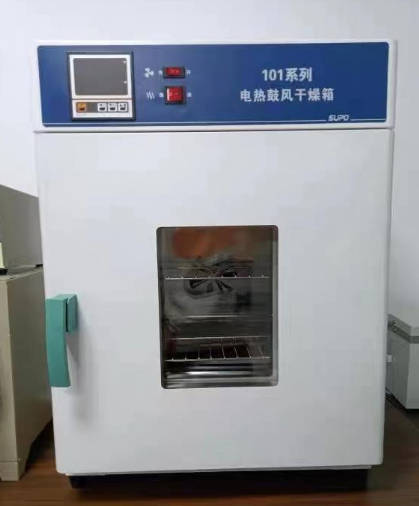
- Accelerated aging test – we simulate the effect of long‑term storage by aging the bottles in an oven at a defined temperature (e.g., 40°C, 60°C) for a specified period (e.g., 1 month, 3 months) and then testing the axial compressive strength – This provides a prediction of the bottle's strength after a typical shelf‑life.
- UV exposure – for bottles that may be exposed to sunlight (e.g., outdoor storage), we pre‑expose the bottles to UV radiation (ISO 4892, ASTM G154) and then perform the compression test to evaluate the effect of photo‑degradation on the strength – This is particularly relevant for bottles used for agricultural chemicals or other outdoor products.
Design Optimisation and Quality Control
The axial compressive strength of a bottle is a function of its material, wall thickness, base design, and neck finish. Our testing service supports both design optimisation and production quality control:
- Design optimisation – we test prototype bottles with different wall thicknesses, base shapes, and neck designs to identify the design that provides the maximum top‑load strength for a given weight of material – We can also perform a finite‑element analysis (FEA) correlation study, using the test data to validate the FEA model and to predict the strength of new designs.
- Process control – for production bottles, we use the axial compressive strength test as a quality control tool to monitor the consistency of the blow‑moulding or glass‑forming process – A sudden drop in the average top‑load strength indicates a process upset, such as a change in material properties, a temperature variation, or a mould problem.
- Supplier qualification – we test bottles from different suppliers to compare their axial compressive strength and to qualify new suppliers – This ensures that the bottles meet the required strength specification and that the supply chain is robust.
- Stacking height calculation – based on the measured axial compressive strength, the bottle weight, and a safety factor, we calculate the maximum theoretical stacking height for a given palletisation scheme – This helps you to design efficient pallet layouts and to avoid over‑stacking.
Calibration, Accuracy, and Quality Assurance
All axial compression tests are performed under our ISO/IEC 17025:2017 accredited quality system, with full traceability of force, displacement, and temperature measurements:
- Calibration of the compression testing machine – load cell, displacement transducer, and speed – according to ISO 7500‑1, ASTM E74, and EN ISO 7500‑1 – We calibrate the load cell annually using certified reference weights (class 0.5), achieving a force measurement uncertainty < 0.5% of the reading. The displacement is verified using a calibrated extensometer, and the speed is verified using a calibrated tachometer.
- Calibration of the temperature and humidity sensors – according to ASTM E220, ISO 17025 – We calibrate the sensors against certified reference instruments, with an uncertainty of ±0.2°C for temperature and ±2% RH for humidity.
- Verification with reference materials – we test a reference bottle (a standard container with a known top‑load strength) at regular intervals to confirm the stability and reproducibility of the test system – The results are tracked on control charts.
- Interlaboratory comparison (ILC) – we participate in proficiency testing schemes for plastic and glass container testing – Our results are regularly compared with those of other accredited laboratories.
Compliance with Belgian and European Regulations
Our axial compressive strength testing services support your conformity assessment under the relevant European directives and Belgian regulations for packaging, food contact, and environmental safety:
- Packaging and Packaging Waste Directive (94/62/EC) – for the qualification of packaging materials – The mechanical strength of the packaging is an essential requirement for ensuring that it can protect the product during transport and handling, and that it can be recycled without causing problems in the recycling process.
- Food Contact Materials Regulation (EC 1935/2004) – for packaging that comes into contact with food – The mechanical integrity of the packaging is essential to ensure that it does not fail and contaminate the food.
- Belgian national regulations – including the ARAB (General Regulation on Occupational Safety) for the handling of glass and plastic containers in workplaces – The compressive strength test ensures that the containers can be handled safely, reducing the risk of injury from broken bottles.
- UN transport regulations – for the transport of dangerous goods (ADR, RID, IMDG) – For bottles that contain hazardous liquids, the axial compressive strength is often a requirement for the approval of the packaging.
Reporting and Accreditation
All axial compressive strength tests are performed under our ISO/IEC 17025:2017 accredited quality system, with full traceability of all measurement parameters. Our BELAC‑accredited reports are recognised by the FOD Economie, Belgian notified bodies, and European authorities. Each report includes:
- A complete description of the test specimen (bottle material, dimensions, closure, and any pre‑conditioning).
- The test method and conditions (standard, test speed, temperature, humidity).
- The individual test results (maximum load, deformation at maximum load, and failure mode) for each specimen, with the average, standard deviation, minimum, and maximum values.
- The load‑deflection curve for each test.
- Calibration certificates and measurement uncertainty statements.
- A professional conclusion on the axial compressive strength of the bottles and their suitability for the intended stacking and transport conditions, with recommendations for design or process improvement if necessary.
Our reports provide the confidence you need to qualify your bottles, to approve deliveries, and to ensure the integrity of your packaging throughout the supply chain.
Why Choose Our Axial Compressive Strength Testing Service for Empty Bottles?
We understand that bottle failure in the supply chain is costly and disruptive. Our testing service provides the reliable data you need to design robust bottles, to monitor production quality, and to ensure that your packaging can withstand the rigours of palletising, warehousing, and transport. We offer rapid scheduling, flexible test programmes (from simple screening to comprehensive environmental and aging studies), and clear, practical interpretation of results – we do not simply give you a maximum load value; we explain the deformation behaviour, the influence of the bottle design and material, and the practical implications for your packaging operations. We work closely with your packaging engineers, quality teams, and supply chain managers to design a test plan that matches your specific bottle types, your stacking conditions, and your quality requirements. With precision test frames, environmental conditioning, and a highly experienced team, our testing service for axial compressive strength of empty bottles delivers the accuracy, repeatability, and regulatory acceptance you need to ensure the performance of your packaging. Contact us to discuss your bottles, your stacking requirements, and your performance targets – we will develop a tailored test programme that provides the definitive assessment of your bottle's top‑load strength.