Quality Loss During Water Pouring Process Testing Service – Accredited Evaluation of Mass Loss, Leachate, and Coating Erosion Under Simulated Water Contact
For Belgian manufacturers, quality engineers, and product developers in the construction, coatings, water treatment, filtration, and consumer goods sectors, the mass loss that occurs when a material or product is subjected to flowing or impinging water is a critical parameter that affects durability, environmental safety, and functional performance. Whether it is the erosion of a protective coating, the leaching of soluble components, the shedding of particulate matter, or the degradation of a filter medium, understanding this quality loss is essential for product design, regulatory compliance, and customer satisfaction. Our ISO/IEC 17025 accredited laboratory offers a specialised quality loss during water pouring process testing service that simulates the mechanical and chemical effects of water impact, immersion, and rinsing on a wide range of materials. Using static immersion, dynamic water jet, and cyclic flushing protocols, we quantify the mass change, collect and analyse leachates, and assess the surface degradation. With our BELAC accreditation, our test reports are recognised by the Belgian Federal Public Service (FOD Economie), notified bodies, and European authorities under the Construction Products Regulation (EU 305/2011), the REACH Regulation (EC 1907/2006), and the relevant harmonised standards (EN 14187, EN 14451, ISO 62, ASTM D870, etc.).
Materials and Products We Regularly Test
We accept a broad range of specimens, from small coupons and powder samples to complete assemblies, and our test rigs are adaptable to various sizes, shapes, and water contact modes. Common samples include:
- Coated and painted panels – architectural, automotive, marine, and industrial coatings.
- Granular and powdered materials – activated carbon, ion‑exchange resins, molecular sieves, and catalyst pellets.
- Filter media and cartridges – for water treatment, beverage filtration, and process applications.
- Plastics and rubber components – seals, gaskets, hoses, and moulded parts.
- Textiles and nonwovens – outdoor fabrics, geotextiles, and technical textiles.
- Building materials – waterproofing membranes, gypsum boards, and tile adhesives.
- Complete consumer products – water jugs, shower heads, watering cans, and packaging containers.
- Composite and laminated materials – used in marine and structural applications.
Test Methods – Immersion, Water Jet, and Cyclic Pouring
Our quality loss during water pouring process testing service includes a range of standardised and customised test protocols, each designed to simulate different real‑world water contact scenarios. We select the appropriate method based on your product type and end‑use application:
- Static immersion test – according to ISO 62, ASTM D570, and NBN EN ISO 62 – We completely immerse the specimen in demineralised water or a standard test solution (e.g., synthetic tap water, seawater) at a controlled temperature (typically 23°C, 40°C, or 60°C) for a defined duration (24 to 168 hours). After removal and drying to constant mass, we measure the mass change. The test reveals the absorption of water and the leaching of soluble components, and we also analyse the immersion water for total organic carbon (TOC), dissolved solids, and specific ions.
- Dynamic water jet and impact test – based on ASTM G73 (liquid impingement erosion) and EN 13496 (water resistance of GRP) – We mount the specimen in a test chamber and direct a controlled water jet (flow rate 1‑10 L/min, impact velocity adjustable) onto the surface for a set duration (from minutes to several hours). The water can be applied continuously or intermittently, with adjustable impact angles (90°, 45°, or grazing). After the test, we dry and weigh the specimen, and we examine the surface for erosion, blistering, or delamination.
- Cyclic flush and drain test – according to EN 14187 (sealants – cyclic water immersion) and ASTM D559 (soil‑cement wet‑dry cycling) – We apply alternating cycles of water flooding (saturation) and drying (at 40°C or 60°C) to simulate repeated wetting and drying. Each cycle typically includes 1‑4 hours of water contact and 2‑4 hours of drying. After a defined number of cycles (e.g., 10, 50, or 100), we measure the mass loss, inspect for cracking or spalling, and evaluate the residual mechanical properties.
- Particulate shedding and fines loss test – for granular media – according to ASTM D6830 (filter media – particle loss) and EN 12915 (adsorbents for water treatment) – We place the granular material in a specially designed column and apply an upward or downward water flow (backwashing or forward flushing) at a specified flow rate. The effluent is collected, filtered, and dried, and the mass of detached fines is determined. We also measure the turbidity of the effluent as a real‑time indicator of particle release.
- Leachate analysis and chemical characterisation – we collect the water after each test and analyse it for total organic carbon (TOC), pH, conductivity, hardness, and specific heavy metals or organic compounds using ICP‑MS, IC, or GC‑MS – This allows us to correlate mass loss with the release of potentially hazardous or performance‑affecting substances, which is essential for drinking water contact and environmental safety assessments.
Environmental Control and Test Conditions – Realistic Simulation
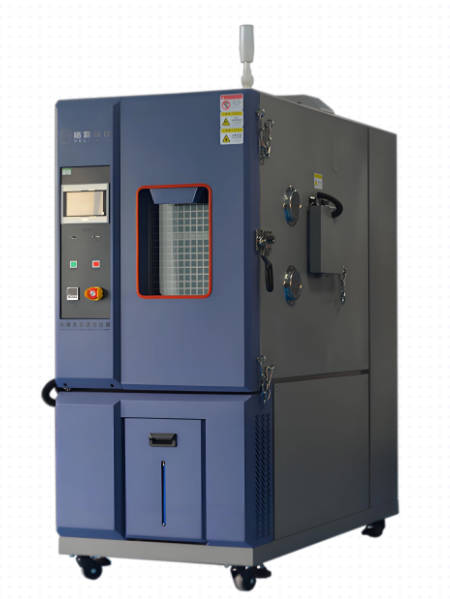
Mass loss during water contact is influenced by water temperature, chemistry, flow velocity, and ambient conditions. We offer full control over these parameters to match your actual service environment:
- Water temperature – we can condition the test water from 5°C to 80°C, simulating cold tap water, warm cleaning processes, or hot industrial fluids.
- Water quality – we use demineralised water, synthetic drinking water (according to EN 14451), or salt water (ASTM D1141) to evaluate the effect of different water compositions on mass loss and leachate.
- Flow regime – we can adjust the flow rate (0.5‑20 L/min) and the impact angle (from 0° to 90°) to mimic gentle pouring, splashing, or high‑pressure jetting.
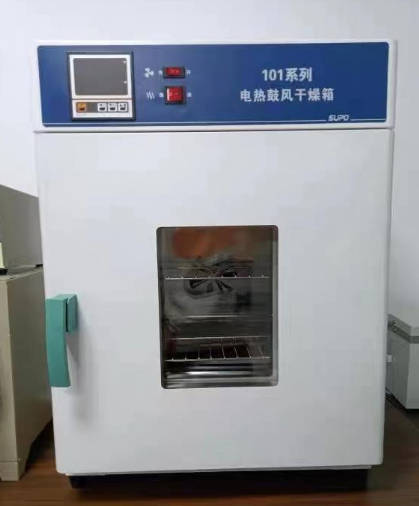
- Drying conditions – in cyclic tests, we control the drying temperature (up to 70°C) and humidity to accelerate or decelerate the drying phase, simulating natural air drying or forced drying.
- pH adjustment – we can acidify (pH 3‑5) or alkalise (pH 9‑11) the water to simulate acid rain, cleaning agents, or process water.
Evaluation and Assessment – Beyond Simple Mass Loss
We provide a comprehensive evaluation that includes not only the mass change but also the underlying mechanisms and implications for product performance:
- Precision weighing – using an analytical balance (accuracy 0.01 mg) after drying to constant mass under standard conditions (23°C, 50% RH), we calculate the mass loss (in mg and as a percentage of the initial mass) with full statistical analysis (mean, standard deviation, coefficient of variation).
- Surface and microscopic examination – before and after the test, we use digital microscopy, SEM, or optical profilometry to assess blistering, cracking, erosion, pitting, or coating delamination. We provide high‑resolution images in the test report.
- Leachate characterisation – we collect the test water and analyse it for TOC, dissolved solids, and specific ions or metals. This is particularly important for products that come into contact with drinking water or are discharged to the environment.
- Mechanical property testing after exposure – for structural or coated materials, we perform tensile, hardness, or adhesion tests on exposed specimens and compare the results with unexposed controls to determine the effect of water contact on residual strength.
- Colour and gloss measurement – for decorative coatings, we measure ΔE* (colour difference) and gloss retention using a spectrophotometer and gloss meter before and after the test.
Applicable Standards and Regulatory Compliance
Our testing supports your product certification and regulatory compliance under Belgian and European frameworks. We can align our test methods with the following standards and directives:
- Construction Products Regulation (EU 305/2011) – for sealants, coatings, and waterproofing materials – our tests comply with EN 14187 (sealants), EN 13496 (water resistance), and EN 13163 (insulation materials).
- Drinking water contact materials – for products that contact potable water – we follow EN 14451 (leachate testing) and BS 6920 to assess the release of soluble substances.
- Coatings and paints – ISO 2812 (liquid resistance), ASTM D870 (water immersion), and EN 13523‑6 (coil coatings – water resistance).
- Plastics and rubber – ISO 62 and ASTM D570 for water absorption and mass change.
- Environmental legislation – our leachate data supports compliance with REACH (EC 1907/2006) and the EU Water Framework Directive.
- Machinery Directive (2006/42/EC) – for components in water‑handling machinery, the test provides data for the risk assessment of material degradation.
Reporting and Accreditation
All tests are performed under our ISO/IEC 17025:2017 accredited quality system, with traceable calibrations for all balances, temperature sensors, flow meters, and analytical instruments. Our BELAC‑accredited reports are recognised by the FOD Economie, Belgian notified bodies, and European authorities. Each report includes:
- A detailed description of the specimen, test conditions, and methodology.
- Mass loss data (individual values, average, standard deviation, and percentage loss).
- Leachate analysis results (TOC, specific substances, pH, conductivity).
- Surface and microscopic images showing any degradation.
- Comparison with the applicable standard requirements and a clear pass/fail conclusion.
- Calibration certificates and measurement uncertainty statements.
- A professional interpretation of the results and, if necessary, recommendations for material or design improvement.
Our reports provide you with the confidence to certify your products, approve deliveries, and meet regulatory inspections.
Why Choose Our Quality Loss During Water Pouring Testing Service?
We understand that mass loss in water can signal serious issues – from coating delamination that leads to corrosion, to particle shedding that contaminates the process, to the leaching of chemicals that violates environmental limits. Our team offers rapid scheduling, flexible test programmes (from simple immersion screening to complex cyclic flush studies), and clear, actionable interpretation – we do not just give you a percentage; we explain the mechanisms, the consequences, and the corrective actions. We work closely with your R&D, quality, and production teams to design a test plan that matches your specific water contact scenario, regulatory requirements, and performance targets. With state‑of‑the‑art test rigs, analytical instruments, and a highly experienced team, our quality loss during water pouring process testing service delivers the accuracy, repeatability, and regulatory acceptance you need to ensure your products stand up to water contact in the Belgian and European market. Contact us to discuss your materials, your water exposure conditions, and your certification goals – we will tailor a test programme that provides the definitive assessment of your product's resistance to water‑induced quality loss.