Xenon‑Arc Weathering Testing Service for Waterproof Sheet Materials – Accredited Accelerated Aging for Roofing, Geomembranes, and Damp‑Proof Membranes
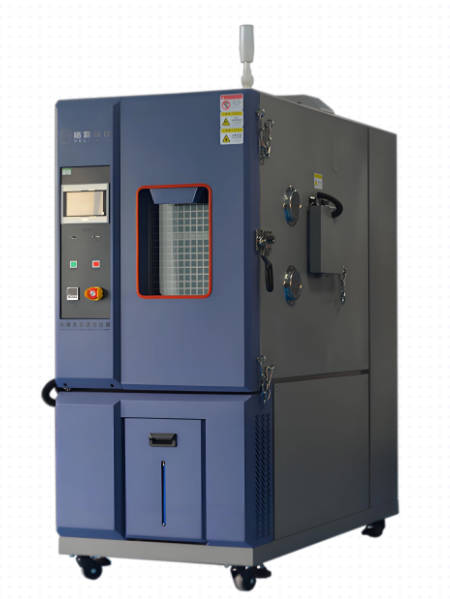
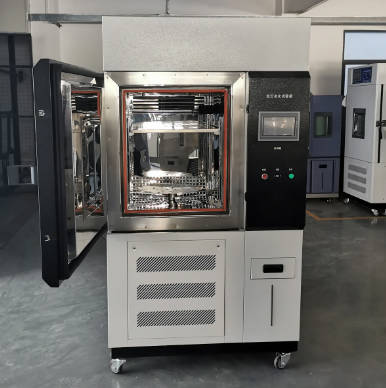
For Belgian manufacturers, specifiers, and quality managers in the construction, civil engineering, and building materials sectors, the long‑term durability of waterproof sheet materials – such as roofing membranes, geomembranes, damp‑proof courses, and pond liners – is a critical factor for building integrity, infrastructure reliability, and warranty performance. Exposure to solar radiation, temperature fluctuations, and moisture can cause photo‑oxidation, embrittlement, chalking, loss of flexibility, and eventual cracking, leading to water ingress and structural damage. Our ISO/IEC 17025 accredited laboratory offers a specialised xenon‑arc weathering testing service for waterproof sheet materials that simulates the full spectrum of natural sunlight, including UV, visible, and infrared radiation, combined with controlled temperature, humidity, and water spray cycles. Using state‑of‑the‑art xenon‑arc weatherometers with programmable test cycles, we accelerate the aging process to predict the service life and performance retention of single‑ply membranes, bituminous sheets, polymeric geomembranes, and coated fabrics. With our BELAC accreditation, our test reports are recognised by the Belgian Federal Public Service (FOD Economie), notified bodies, and authorities under the Construction Products Regulation (EU 305/2011), the European Technical Assessments (ETAs), and the relevant harmonised standards (EN 13501, EN 13956, EN 13967, EN 13491, ISO 4892‑2, ASTM G155, etc.).
Waterproof Sheet Materials and Products We Regularly Test
We accept a wide range of sheet‑type waterproofing products, including flexible and rigid membranes, coated fabrics, and composite systems. Our test fixtures accommodate various thicknesses, reinforcement types, and surface textures. Common samples include:
- Polymeric single‑ply roofing membranes – PVC, TPO, EPDM, PIB, and FPO membranes for flat and pitched roofs.
- Bituminous and modified bituminous sheets – APP and SBS modified bitumen membranes with polyester or glass felt reinforcement.
- Geomembranes and pond liners – HDPE, LDPE, LLDPE, PP, and PVC geomembranes for environmental, containment, and water storage applications.
- Damp‑proof courses and vapour control layers – used in floors, walls, and basements.
- Liquid‑applied membrane systems (cast films) – cured sheets of polyurethane, acrylic, or epoxy coatings.
- Pre‑fabricated flashing and detail tapes – for sealing joints, penetrations, and corners.
- Reinforced and composite sheets – with scrim, fabric, or fleece backing.
- Coated fabrics for tensioned structures – PVC‑coated polyester, PTFE‑coated glass fibre, and silicone‑coated fabrics.
Core Test Methods – Xenon‑Arc Exposure Profiles and Standards
Our xenon‑arc weathering testing service for waterproof sheet materials follows the most recognised international and European standards for artificial weathering of building materials and polymeric sheets. We use xenon‑arc lamps with optical filters to simulate natural sunlight at different spectral distributions, and we apply water spray or condensation cycles to simulate rainfall and dew:
- ISO 4892‑2 (Plastics – Methods of exposure to laboratory light sources – Part 2: Xenon‑arc lamps) and NBN EN ISO 4892‑2 – We expose test specimens to a xenon‑arc light source with a defined irradiance level (typically 0.35 W/m² at 340 nm or 0.55 W/m² at 340 nm). The test cycle includes alternating periods of light and dark, with or without water spray, and controlled temperature (black panel temperature and chamber air temperature). We run the test for a specified total exposure time (e.g., 1,000, 2,000, or 5,000 hours), and we evaluate the specimens at regular intervals.
- EN 13523‑16 (Coil coated metals – Test methods – Part 16: Resistance to accelerated weathering) and EN 13956 (Flexible sheets for waterproofing – Plastic and rubber sheets for roof waterproofing – Definitions and characteristics) – For roofing membranes, we follow the specific requirements of EN 13956, which prescribes a xenon‑arc test with defined exposure cycles and performance criteria (e.g., retention of tensile strength and elongation after 1,000 hours).
- ASTM G155 (Standard practice for operating xenon arc light apparatus for exposure of non‑metallic materials) – We use this standard as a reference for the operation of the weatherometer and for selecting the appropriate filters (daylight, window glass, or extended UV) to match the intended service environment.
- EN 1297 (Flexible sheets for waterproofing – Bitumen, plastic and rubber sheets for roof waterproofing – Method of artificial ageing by long‑term exposure to the combination of UV radiation, elevated temperature and water) – This is a specific standard for bituminous and polymeric roofing membranes, requiring a cyclic exposure of UV, heat, and water spray. We comply with this standard for the full qualification of roofing products.
- Customised test cycles – we can design exposure profiles that replicate specific climatic conditions, such as the moderate maritime climate of Belgium (with frequent rain and cloud cover) or the more intense UV conditions of southern Europe – We work with you to define the irradiance, temperature, humidity, and wet/dry cycles that match your product's intended application.
- Monitoring of irradiance and temperature – we continuously monitor and control the irradiance at the test level using a closed‑loop feedback system, and we record the black panel temperature and chamber air temperature to ensure that the test conditions remain within the specified tolerances – We calibrate the sensors regularly to maintain accuracy.
Evaluation Criteria – Assessing Deterioration After Exposure
After the xenon‑arc exposure, we perform a comprehensive evaluation to quantify the degradation of the waterproof sheet material. The assessment is tailored to the specific product type and the applicable standards:
- Visual inspection and surface defects – we examine the exposed specimens for chalking, blistering, cracking, crazing, peeling, and colour change, using standard rating scales (ISO 4628, ASTM D714). We also measure gloss loss using a gloss meter and colour change (ΔE*) using a spectrophotometer.
- Tensile properties retention – we test the tensile strength, elongation at break, and modulus of the exposed specimens according to the relevant material standard (e.g., EN 12316‑1 for plastic and rubber sheets, EN 12316‑2 for bitumen sheets). We compare the results with unexposed control specimens and report the percentage retention.
- Tear resistance retention – for reinforced and coated fabrics, we measure the tear strength before and after exposure (EN 12310‑1 or ASTM D4533) to assess the effect of UV on the reinforcement and the coating.
- Flexibility and low‑temperature bending – we perform a bending test at low temperature (e.g., -20°C or -40°C) on exposed and unexposed specimens to detect embrittlement and loss of flexibility (EN 495‑5 or ASTM D2137).
- Water tightness and hydrostatic resistance – after exposure, we test the specimens for water tightness under a defined water pressure (EN 1928 or EN 14150) to ensure that the membrane has not developed pinholes or cracks that could lead to leakage.
- Mass change and dimensional stability – we measure any weight loss or gain due to extraction of plasticisers or absorption of water, and we measure the length and width changes to assess shrinkage or expansion (EN 1107‑1).
- Chemical analysis (FTIR) – we use infrared spectroscopy to detect chemical changes such as oxidation of the polymer matrix, depletion of UV stabilisers, or migration of additives – This helps to identify the root cause of any observed macroscopic degradation.
Specific Test Protocols for Different Sheet Types
We apply specialised protocols for different categories of waterproofing materials, ensuring that the test conditions and the evaluation criteria are appropriate for the material's composition and application:
- PVC and TPO membranes – we focus on plasticiser loss (mass change), flexibility at low temperature, and the retention of tensile strength. We also check for colour change and surface cracking, as these materials are particularly sensitive to UV.
- EPDM membranes – we assess the resistance to chalking and cracking, and we measure the change in hardness (Shore A) and tensile properties. EPDM is known for its UV resistance, but prolonged exposure can still cause surface degradation.
- Bituminous sheets – we evaluate the resistance to surface crazing, the adhesion of the granule coating (if present), and the retention of flexibility. We also check for migration of the bitumen to the surface (exudation).
- HDPE and other polyolefin geomembranes – we focus on the retention of tensile properties, the resistance to stress cracking (ESCR), and the change in the oxidation induction time (OIT) measured by DSC.
- Coated fabrics (PVC/PTFE/silicone) – we assess the adhesion of the coating to the fabric, the tensile strength of the coated composite, and the resistance to delamination.
- Liquid‑applied membrane films – we test the films as cast on a release substrate, evaluating the same properties as for extruded sheets, with particular attention to curing completeness and blistering.
Environmental and Cyclic Conditioning – Simulating Real‑World Exposure
To provide a more realistic simulation of field conditions, we offer the option of combining xenon‑arc exposure with other environmental stressors, or of performing cyclic testing with alternating wet/dry and freeze/thaw cycles:
- Xenon + water spray cycling – we alternate between periods of UV exposure with dry heat and periods of water spray (simulating rainfall) to replicate the outdoor wet‑dry cycle – This is a standard requirement for many roofing and waterproofing standards.
- Xenon + condensation – we follow the ISO 4892‑2 method with condensation cycles, where the specimen surface is exposed to a humid environment with condensation, mimicking dew formation during the night – This is particularly relevant for flat roofs and outdoor structures.
- Xenon + freeze‑thaw – after a defined period of UV and water exposure, we subject the specimens to freeze‑thaw cycles (e.g., -20°C to +20°C) to simulate the effect of water ingress and freezing in cold climates – This combined test is essential for waterproofing membranes used in cold regions or for winter applications.
- Xenon + ozone exposure – for EPDM and other rubber‑based sheets, we combine UV exposure with low‑level ozone to simulate the effect of ozone cracking in polluted atmospheres – This provides a more comprehensive assessment of the material's resistance to environmental degradation.
- Sequential exposure – we can run a sequence of tests: e.g., first salt spray (ASTM B117), then xenon‑arc, then humidity‑freeze, to simulate the life cycle of a material in a coastal industrial environment – This is particularly relevant for Belgian coastal areas and industrial zones.
Calibration, Accuracy, and Quality Assurance
All xenon‑arc weathering tests are performed under our ISO/IEC 17025:2017 accredited quality system, with full traceability of irradiance, temperature, humidity, and time measurements:
- Calibration of the weatherometer – we use a certified reference radiometer to calibrate the irradiance at the test plane, with an uncertainty of ±3% for the UV irradiance – The radiometer is calibrated annually against a primary standard, and we perform daily checks with a calibrated handheld radiometer.
- Calibration of temperature sensors – black panel and air temperature sensors – according to ASTM E220, ISO 17025 – We calibrate the sensors against a certified reference thermometer, with an uncertainty of ±0.5°C.
- Calibration of humidity sensors – using a certified hygrometer with an uncertainty of ±2% RH – The humidity sensors are verified regularly and calibrated annually.
- Verification with reference materials – we test reference materials (e.g., a blue‑wool reference or a standard polymer with known degradation rate) at regular intervals to confirm the stability and reproducibility of the test system – The results are tracked on control charts.
- Interlaboratory comparison (ILC) – we participate in proficiency testing schemes for xenon‑arc weathering, conducted by organisations such as ASTM and ISO – Our results are regularly compared with those of other accredited laboratories to ensure consistency.
Compliance with Belgian and European Regulations
Our xenon‑arc weathering testing services support your conformity assessment under the relevant European directives and Belgian regulations for construction products, building materials, and environmental protection:
- Construction Products Regulation (CPR, EU 305/2011) – for waterproofing sheets and roofing membranes – The resistance to artificial weathering is an essential characteristic for the Declaration of Performance (DoP) of many waterproofing products, as required by the harmonised standards (EN 13956, EN 13967, EN 13491). Our tests are performed according to these standards and are accepted by the Belgian notified bodies.
- European Technical Assessments (ETAs) – for products with national approvals – Our test data is used to support ETA applications, which are often required for non‑standard or innovative waterproofing systems.
- Belgian building regulations – for public and private construction projects – Our reports are used by architects, engineers, and contractors to verify the durability and performance of waterproofing materials in Belgian buildings and infrastructure.
- REACH Regulation (EC 1907/2006) – for the evaluation of substances that may be released during weathering (e.g., plasticisers, stabilisers) – Our tests provide data on the potential release of substances and the degradation of additives, which is relevant for the environmental and health risk assessment.
- Belgian waste and environmental regulations – for the assessment of the service life and recyclability of waterproofing materials – The weathering data supports the life‑cycle assessment (LCA) and the environmental product declaration (EPD) of building products.
Reporting and Accreditation
All xenon‑arc weathering tests are performed under our ISO/IEC 17025:2017 accredited quality system, with full traceability of all measurement parameters. Our BELAC‑accredited reports are recognised by the FOD Economie, Belgian notified bodies, and European authorities. Each report includes:
- A complete description of the test specimen (material type, thickness, reinforcement, surface finish).
- The test conditions (irradiance, filters, temperature, humidity, water spray/condensation cycle, total exposure time).
- Pre‑exposure and post‑exposure measurements – visual rating, tensile properties, tear resistance, flexibility, water tightness, mass change, and colour/gloss, with percentage retention.
- Periodic evaluation data (e.g., at 500, 1,000, 2,000 hours) to show the progression of degradation.
- Calibration certificates and measurement uncertainty statements.
- A professional conclusion on the resistance of the waterproof sheet material to xenon‑arc weathering and its suitability for the intended service life, with recommendations for product improvement or application limitations if necessary.
Our reports provide the confidence you need to certify your products, obtain approvals, and ensure that your waterproofing materials can withstand the rigours of outdoor exposure in the Belgian and European climate.
Why Choose Our Xenon‑Arc Weathering Testing Service for Waterproof Sheets?
We understand that waterproofing failures are among the most costly and disruptive issues in construction and infrastructure, and that the long‑term performance of membranes is directly linked to their resistance to UV and weather ageing. Our testing service provides the essential data you need to qualify your materials, to meet the requirements of European harmonised standards, and to give your customers the confidence that your products will perform over their expected service life. We offer rapid scheduling, flexible test programmes (from simple screening to comprehensive multi‑cycle exposure with combined environmental stressors), and clear, practical interpretation of results – we do not just give you a list of numbers; we explain the degradation mechanisms, the practical implications for installation and maintenance, and the potential improvements. We work closely with your R&D, quality, and technical teams to design a test plan that matches your product's intended application and the specific climatic conditions of the Belgian market. With state‑of‑the‑art xenon‑arc weatherometers, comprehensive evaluation capabilities, and a highly experienced team, our xenon‑arc weathering testing service for waterproof sheet materials delivers the accuracy, reliability, and regulatory acceptance you need to ensure that your waterproofing products are truly fit for purpose. Contact us to discuss your membrane types, your performance targets, and your certification goals – we will develop a tailored test programme that provides the definitive evidence of your product's outdoor durability.